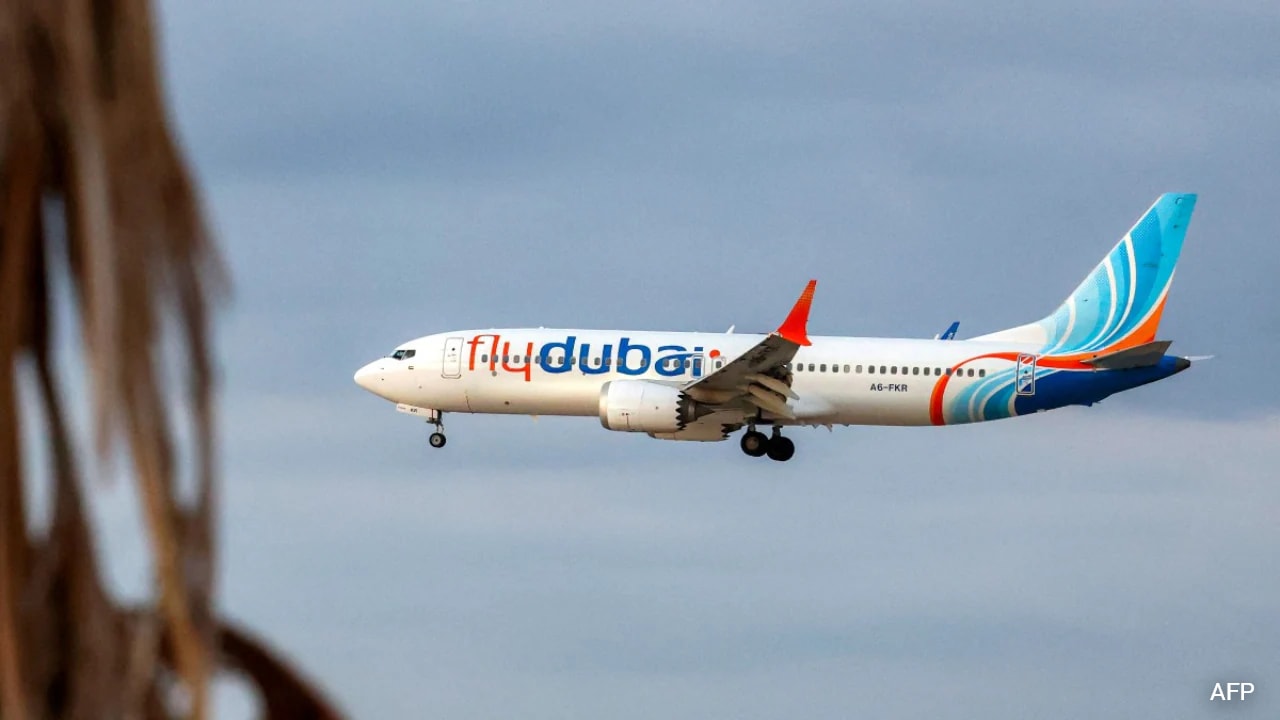
Weather in the Himalayas doesn't care about your schedule. One minute you're cruising at 35,000 feet over the desert sands of the UAE, and the next, you're touching down unexpectedly in northern India because the destination airport is socked in by thick fog or storm clouds. That is exactly the reality passengers on a recent flydubai service faced when Mother Nature threw a wrench into their travel plans.
Flying into mountain airports is notoriously tricky. If you've ever tracked a flight into Nepal's rugged terrain, you know predictability is a luxury pilots rarely get.
Understanding Why Flight FZ 1165 Had to Pivot
Flight FZ 1165 took off from Dubai International Airport heading straight for Pokhara, Nepal. Sounds straightforward, right? Not quite. Pokhara Regional International Airport, like many high-altitude hubs nestled near mountain ranges, deals with rapidly shifting weather patterns.
When visibility drops below safe operating limits, airlines don't gamble. Safety protocols kick in immediately. Instead of attempting a risky approach through heavy cloud cover or severe turbulence, the flight crew made the call to divert.
They headed south across the international border and touched down safely at Chaudhary Charan Singh International Airport in Lucknow, India, at 6:53 PM.
Let's clear up a common misconception right away. Whenever a plane diverts, panic spreads fast online. People assume engine failure, smoke in the cabin, or a mid-air emergency. In this specific case, officials confirmed there was zero technical trouble. The Boeing 737 MAX 8 aircraft, registered as A6-FMU, was operating normally. The diversion was purely weather-driven.
The Operational Reality of Diverting to Lucknow
Lucknow acts as a frequent alternate airfield for flights navigating northern South Asia when primary hubs in Nepal or smaller regional strips experience sudden closures. It's equipped to handle international commercial traffic, meaning sudden drop-ins from airlines like flydubai can be managed smoothly.
Once on the tarmac in Lucknow, passengers didn't have to wait for days or deal with chaotic terminal overhauls. Aviation authorities monitored the meteorological reports coming out of Pokhara. As soon as the skies cleared enough to meet strict safety thresholds, the turnaround began.
The exact same aircraft departed Lucknow at 8:08 PM, resuming its journey toward Nepal after a brief ground stop.
What to Do If Your Flight Gets Diverted
Flight diversions happen more often than most travelers realize. If you find yourself sitting on a plane that suddenly changes course, keep these practical steps in mind.
- Stay off panic-driven social media: Crew members will give official updates once they land and coordinate with ground operations.
- Check airline apps: Real-time updates on gate changes, fuel status, and estimated departure times show up here first.
- Keep your travel documents handy: If an international diversion requires you to briefly disembark or clear customs, you want your passport and boarding pass ready.
- Understand your rights: While weather diversions are considered acts of nature beyond the airline's direct control, carriers still have a duty of care to provide updates and manage refreshments if ground delays stretch on.
Mountain weather remains unpredictable. Respecting the captain's decision to divert keeps everyone safe, even if it adds a couple of hours to your itinerary.