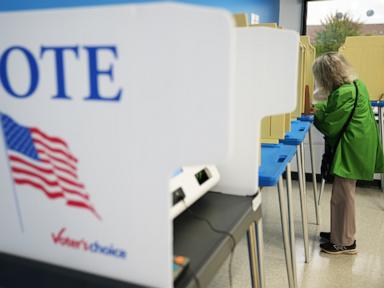
Voters are trapped in a cycle of deep cynicism, yet they're still making hard choices at the ballot box. A recent AP-NORC Poll reveals a fascinating paradox. While majorities express profound distrust in both major political organizations to fix the country's most stubborn problems, Democrats are currently winning ground on critical kitchen-table issues like the cost of living and healthcare.
If you look past the standard party talking points, you'll find an electorate that isn't celebrating a new era of political loyalty. Instead, voters are clutching at whichever option seems marginally less damaging. Let's unpack what the numbers actually mean for the political landscape and why this widespread disillusionment might shake up upcoming races more than any polished campaign ad ever could.
The Cost of Living Advantage
For months, affordability has remained the number one pain point for households across the country. Grocery bills, rent, utilities, and insurance premiums have battered family budgets. Voters are pointing fingers, and the current administration is taking the brunt of that frustration.
Yet, the data shows an unexpected shift. According to the AP-NORC Survey, 38 percent of registered voters now view Democrats as better equipped to handle the cost of living. Compare that to the 27 percent who give the edge to Republicans. On the broader economy, Democrats have also nudged ahead, with about 4 in 10 registered voters placing their trust in the party.
Why the sudden movement? It's simple. Many Americans feel that the current Republican leadership leans too heavily toward protecting the wealthy and powerful. Roughly 6 in 10 registered voters say the phrase "focused on helping rich and powerful people" describes the Republican Party extremely or very well. Only about 3 in 10 say the same about Democrats. When people are struggling to pay monthly bills, perceptions of economic favoritism carry immense weight.
The Deep Well of Voter Apathy
Don't mistake this shift for genuine enthusiasm. Winning an advantage on specific issues doesn't mean voters actually believe Democrats have long-term solutions. In fact, public faith in both parties sits near rock bottom.
Voters look at Washington and see an arena of endless gridlock and performative outrage. Big problems pile up, from infrastructure strains to systemic health costs, and neither side offers a convincing roadmap.
Look at how everyday citizens describe the current climate. It's exhaustion, pure and simple. People want practical relief, but they hear partisan shouting matches instead. This widespread cynicism means that whoever wins control of Congress won't enjoy a mandate for bold transformation. They'll inherit a skeptical public ready to punish them at the first sign of failure.
The Extremism Label
Both parties are struggling with branding issues, but the penalty for being labeled "extreme" falls unevenly. The poll highlights that 55 percent of registered voters view the Republican Party as too extreme. Meanwhile, 45 percent level that same criticism at the Democratic Party.
That ten-point gap gives Democratic candidates a vital shield, but it doesn't mean their own house is in order. Democrats remain heavily divided over their strategic direction. Some factions push for aggressive, systemic reform, while others worry that straying too far from the political center alienates crucial swing voters.
This internal tug-of-war leaves the party vulnerable. Voters might trust them slightly more on healthcare or everyday expenses, but they question whether the party can unite long enough to govern effectively.
What This Means Moving Forward
Elections are rarely won on pure love for a platform. More often, they are decided by which side manages to alienate fewer people or successfully channels public anger.
Right now, economic anxiety is driving voters toward Democrats on key metrics, capitalizing on frustration with the sitting administration. But this support is fragile. If the party in power fails to deliver tangible relief on prices and household expenses, that temporary trust will evaporate overnight.
Voters aren't looking for a savior. They're looking for breathing room. Until either political faction realizes that ordinary people care far more about their monthly bank statements than partisan talking points, the underlying crisis of faith will only deepen.