When the executive branch tries to redirect national security money into local voting policy, the courts usually notice. A federal judge just slammed the brakes on a Trump administration initiative that attempted to tie crucial anti-terrorism grants to specific state and local election administration changes.
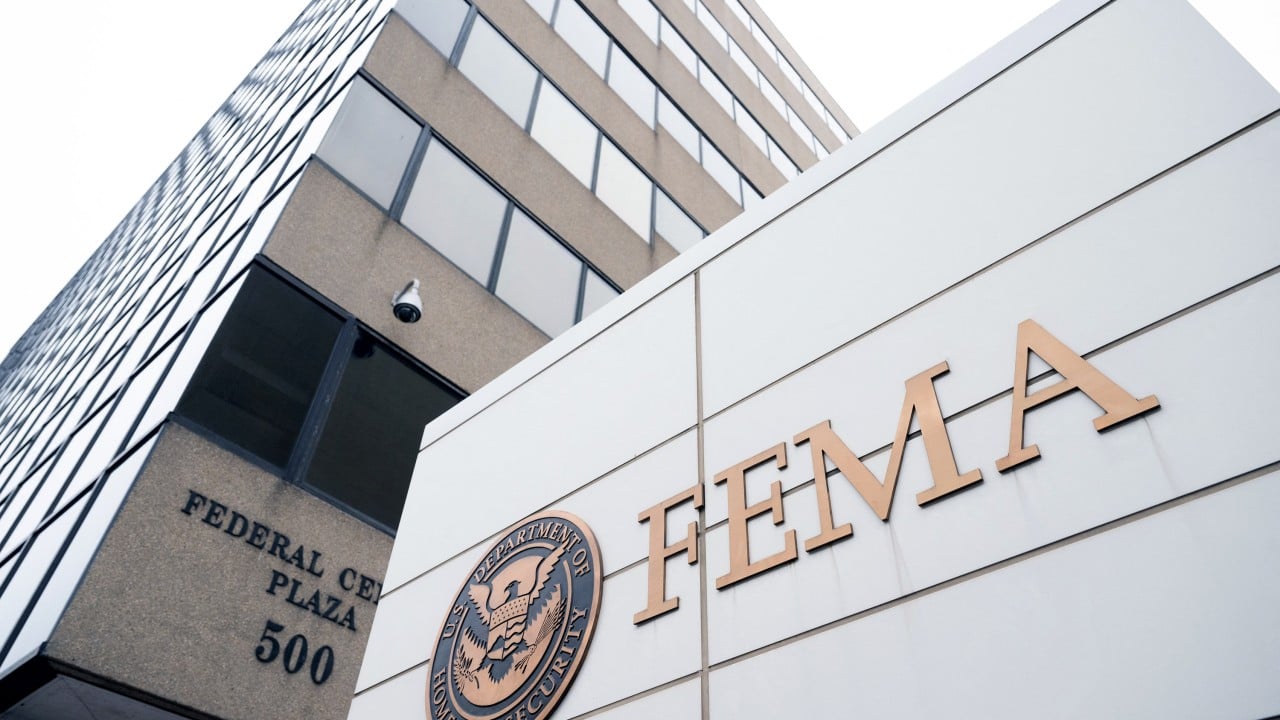
U.S. District Judge Amir Ali ruled that the Department of Homeland Security and the Federal Emergency Management Agency crossed legal lines. They tried to withhold hundreds of millions in counterterrorism funding unless local jurisdictions adopted federally preferred voting rules.
Local governments aren't rolling over. Nashville, Davidson County, Harris County, El Paso County, and Columbus fought back in court. Monday's ruling hands them a major victory right before the critical midterm elections.
The Fight Over Counterterrorism Funds and Voting Rules
Money talks. Federal grant money dictates how cities and states secure their public spaces against real threats.
The administration wanted to use that financial muscle to reshape how local entities handle ballots and voter registration. Under the blocked policy, state authorities wouldn't get their security checks until they implemented administrative election measures backed by the White House.
Judge Ali made it clear that agencies like FEMA lack the authority to convert anti-terrorism dollars into leverage for domestic election mandates. Security grants exist to prevent violence and manage emergency preparedness. Turning them into political tools broke federal law, according to the court.
Why Local Governments Sued
Local officials panicked when the mandates dropped. Security budgets are tight. Losing federal assistance meant cutting local protective measures just to comply with voting rule changes they never asked for.
Counties in Texas, Tennessee, and Ohio banded together to file lawsuits. They argued that executive agencies cannot unilaterally rewrite election oversight through the back door of emergency funding.
The timing matters immensely. With the November midterms right around the corner, Republicans are fighting to protect razor-thin majorities in Congress. This legal roadblock represents a severe setback for broader efforts to expand federal footprint over local voting procedures.
What Happens Next for Federal Grants
The administration will likely appeal. Executive legal teams rarely back down after an initial district court loss, especially when high-stakes policy goals are on the line.
For now, local authorities can breathe a sigh of relief. Their counterterrorism funds remain secure without the extra strings attached.
If you manage public grants or follow administrative law closely, pay attention to how appellate courts handle executive overreach claims. Future funding rollouts will face intense scrutiny over whether agencies are sticking to their statutory missions or wandering into unrelated political territory.