Old wounds don't bleed forever, but they sure leave ugly scars. That reality just hit Northern Ireland like a freight train after a court ruling at 2:15 in the morning cleared an Orange Order parade to march down the Garvaghy Road in Portadown for the first time in nearly thirty years.
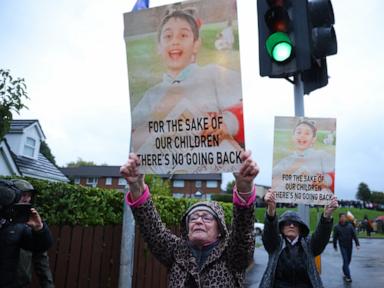
If you haven't followed the region's delicate political balance, this street isn't just pavement. It's a massive flashpoint from the dark decades of sectarian conflict known as the Troubles—a period that claimed around 3,600 lives and left some 50,000 injured before the 1998 Good Friday Agreement tried to paste a fragile peace over deep community divides. Now, thousands of protesters have turned out, many wearing balaclavas to block the route, and political leaders are trading heavy punches over what this means for the future.
Why Portadown and the Garvaghy Road Matter So Much
You can't understand the anger on the ground without looking at the geography and history. Portadown is largely a unionist town where residents want to stay part of the United Kingdom. But the Garvaghy Road runs through a nationalist, Catholic-majority community that favors unification with the Republic of Ireland.
For generations, Protestant marching bands from the Orange Order—named after the 17th-century Protestant monarch William of Orange—insisted on walking through nationalist areas to assert their cultural identity. The resulting blockades, riots, and standoffs during the late 20th century became legendary for sheer volatility. When authorities restricted these marches decades ago, it was meant to keep a lid on a boiling pot. Tearing that lid off now has predictably sent shockwaves through the local political establishment.
The Political Fallout and Blame Game
Elected officials are split right down the middle, reacting with predictable fury or defensive posturing.
Northern Ireland First Minister Michelle O'Neill of Sinn Féin didn't mince words while standing among the counterprotesters on the Garvaghy Road. She argued that greenlighting the parade questions the entire integrity of the peace process, accusing political unionism of trying to drag the region backward after 28 years of slow progress.
On the flip side, Democratic Unionist Party leader Gavin Robinson fired back. He slammed Sinn Féin for trying to cherry-pick when the rule of law applies, insisting that civic institutions must respect courts and police decisions regardless of political convenience.
Meanwhile, high-profile figures are scrambling to keep things from boiling over into physical violence. Police Service of Northern Ireland head Jon Boutcher urged anyone with community influence to keep heads cool and follow the law. He noted that despite thousands gathering to block the route, there haven't been widespread riots yet. Leaders across the broader political landscape are holding their breath, hoping the demonstrations stay peaceful.
What Happens Next on the Ground
Court rulings at two in the morning don't solve deep-seated identity crises. They just force everyone to show their hand.
If you're watching this situation unfold, expect a tense standoff period where local community leaders will either manage to contain public outrage or watch it spiral out of control. The core question isn't just about whether a single marching band gets to walk down a specific street. It's about whether a peace deal hammered out a generation ago can survive the re-emergence of historic symbols that both sides refuse to abandon. Watch the reaction of community policing and local organizers over the next forty-eight hours. That will tell you whether the peace holds or cracks.