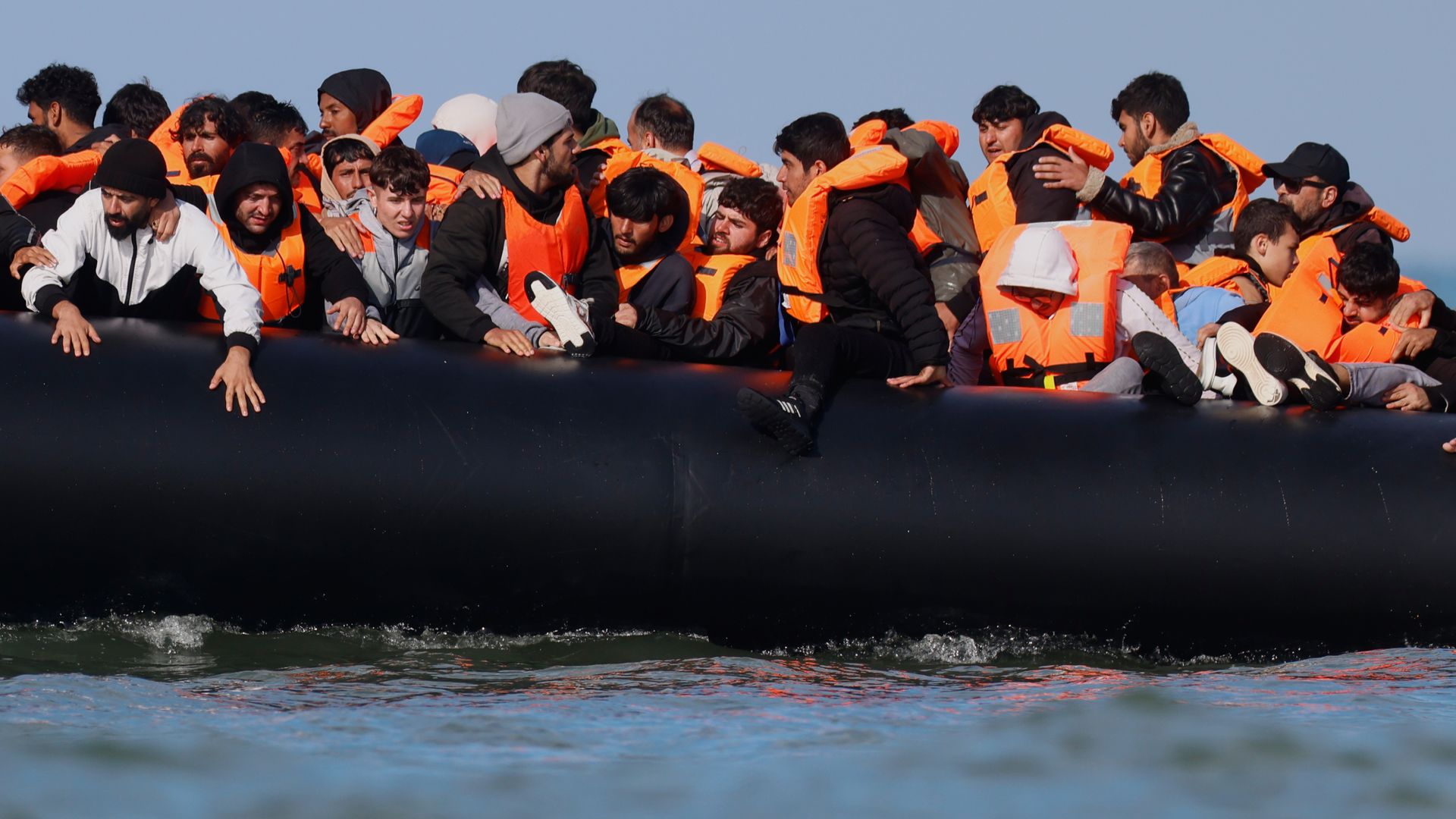
The pilot agreement designed to trade Channel small boat arrivals for asylum seekers via safe routes is officially over. France pulled the plug, pushing instead for a broader Europe-wide approach rather than shoulder the bilateral burden alone.
If you expected a bilateral breakthrough to solve the cross-Channel crisis permanently, reality hit hard. Between August 2025 and June 2026, Home Office figures show 1,117 people arrived in Britain and 1,087 were deported back across the water under the arrangement. But scaling up the removals proved operationally grueling, and the administrative machinery simply stalled out.
Why the Pilot Scheme Ran Into a Wall
Bilateral deals sound clean on paper. On the ground, they crash into political realities.
France wanted out of the arrangement because Paris prefers a collective, bloc-wide returns policy with the European Union instead of a messy, one-off negotiation with London. Home Secretary Shabana Mahmood admitted in parliament that the mechanism faced serious hurdles, noting that shifting large volumes of removals weekly into the French system was an uphill battle.
Critics also pointed out glaring operational flaws early on. Smugglers even found ways to put previously deported individuals back into lorries heading for British shores, forcing the two nations to scramble and rewrite terms mid-flight. When a pilot treaty requires constant patching, its long-term survival is low.
The Numbers Behind the Collapse
Let's look at the actual scale.
- 1,117 asylum seekers arrived and were tracked under the pilot's intake side.
- 1,087 individuals were deported back to France.
- £84 million total estimated cost, averaging roughly £56,000 per returned individual.
Supporters argued those figures represented a viable alternative compared to standard, drawn-out deportation paths or catastrophic offshore schemes. Critics fired back that trading small boat arrivals while still importing equivalent numbers of asylum seekers created a revolving door rather than a hard stop. Meanwhile, overall small boat crossings dipped to a five-year low in 2026—falling roughly 40% compared to the previous year—driven largely by increased police surveillance along northern French beaches rather than the exchange treaty itself.
What Happens Next at the Border
Deportation flights will continue for a brief window for individuals already detained under the defunct framework. Beyond that, the government faces the challenge of building fresh deterrence measures without a direct exchange partner across the Channel.
If you're tracking immigration policy, don't expect a quick fix to replace this pilot. London must now pivot toward broader diplomatic levers with Brussels, while domestic pressure over small boat arrivals remains as volatile as ever. Watch for upcoming announcements on how the Home Office plans to handle fast-track returns independently.