Ice doesn't negotiate, and right now, it's losing the argument fast. Switzerland's glaciers just dropped another 5.5% of their total volume in a single year, marking yet another catastrophic collapse that proves extreme melt years are no longer flukes—they're the baseline.
If you've been paying attention to the Swiss Alps, you know numbers like this used to take decades to accumulate. Now, nearly a fifth of Switzerland's entire glacier ice has vanished in just the past five years. GLAMOS and the Swiss Commission for Cryosphere Observation released the grim data, pointing to an explosive mix of meager winter snowfall and blistering summer heat waves that pushed freezing levels above 4,000 meters for an unprecedented 76 days this year.
What does this mean on the ground? It means Europe's water tower is running dry, and the consequences go far beyond pretty postcards and ski resort economics.
The Grim Math Behind the 2026 Melt
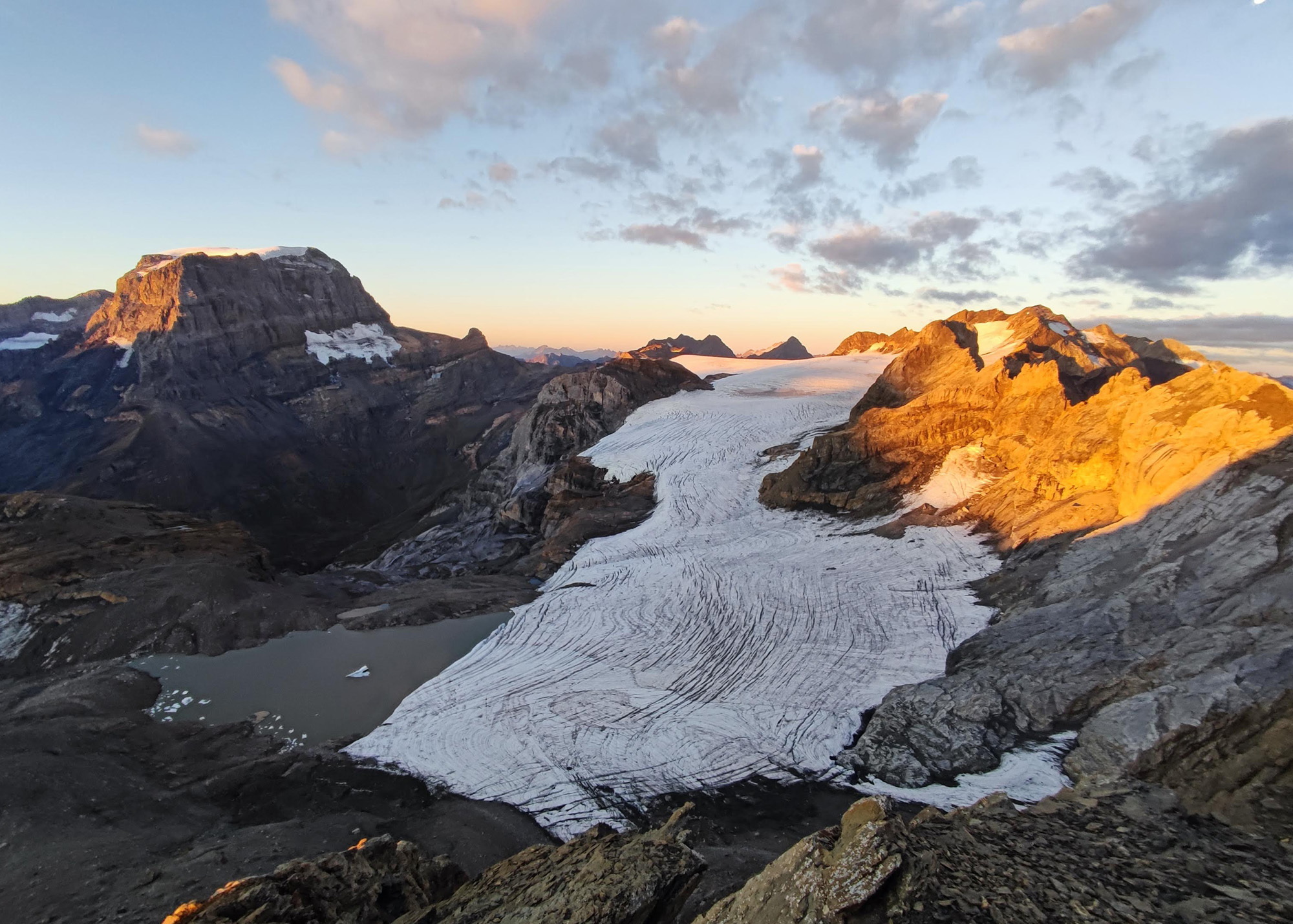
Let's look at the raw data because sugarcoating it doesn't help anyone. Between July and September alone, Swiss glaciers discharged an estimated 2.2 trillion liters of water. The Great Aletsch Glacier—the largest ice mass in the Alps—suffered its biggest melt ever recorded. Glaciers like Glacier de Tsanfleuron saw their thickness drop by over four meters, while lower glacier tongues retreated by as much as ten meters over the summer months.
Winter 2025/2026 set the stage for disaster with pitiful precipitation levels across all elevations. When summer heat arrived, it didn't just strip away the seasonal snow pack; it baked the ancient ice underneath. By September, peaks sitting at 3,500 meters above sea level were entirely bare of snow.
Director Matthias Huss put it bluntly: Alpine glaciers have zero chance of long-term survival under current global emission trajectories. We've crossed a threshold where extreme ice loss is locked in.
Why This Matters Beyond the Alps
Most people assume melting alpine ice is a localized European problem. It isn't. When glaciers vanish at this clip, entire continental systems break down.
- The Water Supply Crisis: Rivers like the Rhine and the Rhone depend heavily on glacial meltwater during dry summer months. When those reservoirs disappear, agriculture, shipping lanes, and municipal water grids face severe stress.
- Hydropower Collapse: Energy production across Central Europe relies on glacial runoff. Less ice means less water rushing through turbines, forcing utilities to scramble for alternative power sources.
- Ecosystem Disruption: Mountain ecosystems are unraveling. Permafrost is thawing, triggering massive rockfalls and rendering high-altitude infrastructure increasingly unstable.
When I talk to researchers who spend their lives measuring these ice fields, the mood isn't panic anymore—it's exhaustion mixed with grim resignation. They've watched landmarks disappear that have stood for millennia.
What Comes Next for Europe's Ice
We can't refreeze the Alps overnight, but pretending this is a slow, manageable transition is dangerous. Smaller glaciers across Switzerland have already blinked out of existence entirely, turning into barren rock fields and gravel.
If you care about climate resilience, stop looking at carbon targets as abstract political footballs. Watch the ice. It's the most honest, unblinking metric we have. Push local and national leaders to accelerate heavy emissions cuts, support water conservation infrastructure downstream, and prepare for a future where the European landscape looks radically different. The window to save what remains of the ice is closing fast. Act accordingly.