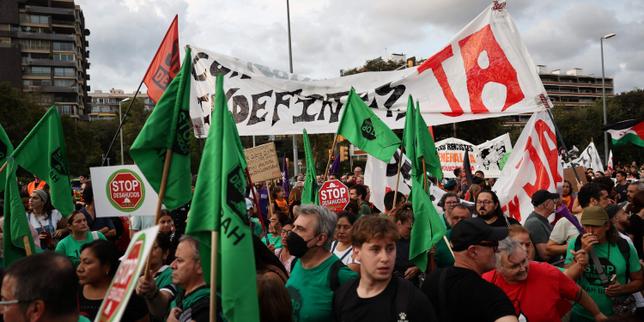
You’ve probably seen the headlines about soaring rent prices, but numbers on a screen rarely capture the human cost. When 87-year-old Maricarmen Abascal was hauled out of her Madrid apartment on a stretcher after living there for over seven decades, it wasn't just another bureaucratic eviction. It became a glaring symbol of a broken property market that treats long-term residents like disposable assets.
The reality behind Spain's housing crisis runs much deeper than simple inflation or supply shortages. It’s about speculative real estate funds treating historic neighborhoods as high-yield stock portfolios, completely untethered from the communities that built them.
How a Lifetime in One Neighborhood Became a Financial Death Sentence
Maricarmen’s story hits hard because it could happen to almost anyone renting in a major European urban center today. She had occupied her Madrid home for seventy years, weathering decades of economic and social shifts. But stability means nothing when a corporate investment firm swoops in, buys the building, and decides to modernize or re-lease units at astronomical market rates.
Her rent jumped to figures impossible for a pensioner to absorb. When older tenants with legacy contracts face these massive spikes, the system offers virtually no safety net. They get pushed out to the urban fringe—or worse, onto the streets—while investors cash in on gentrification.
The Broader Fracture in the Spanish Housing Market
Spain is currently sitting on a powder keg. It's not just about isolated cases of elderly tenants losing their homes; it’s a systemic failure. Young people can’t buy or rent without spending the vast majority of their monthly income, and seniors are being priced out of neighborhoods they helped shape.
- Corporate Speculation: Private equity firms and property investment funds buy entire residential blocks with the explicit goal of driving out lower-paying legacy tenants.
- Regulatory Gaps: Existing laws often fail to protect vulnerable demographics from aggressive short-term commercial strategies.
- Public Outcry: Cases like Maricarmen's trigger massive street protests because citizens recognize that the social contract protecting basic shelter is fraying.
Politicians love to talk about affordable housing packages and future reforms, but actual change moves at a snail's pace. Meanwhile, real people face immediate displacement.
What Needs to Happen Now
If you want to understand how to fix urban housing markets, stop treating homes purely as financial instruments. Cities live and breathe because of their communities, not because of luxury renovations that push out everyone who isn't a high earner.
Protecting vulnerable tenants requires strict caps on sudden rent explosions following corporate buyouts, mandatory renewal options for elderly residents, and penalties for predatory speculation. Until local governments put human dignity ahead of municipal tax revenues from high-end real estate, expect more flashpoints, more protests, and more heartbreaking evictions that shame the entire system.