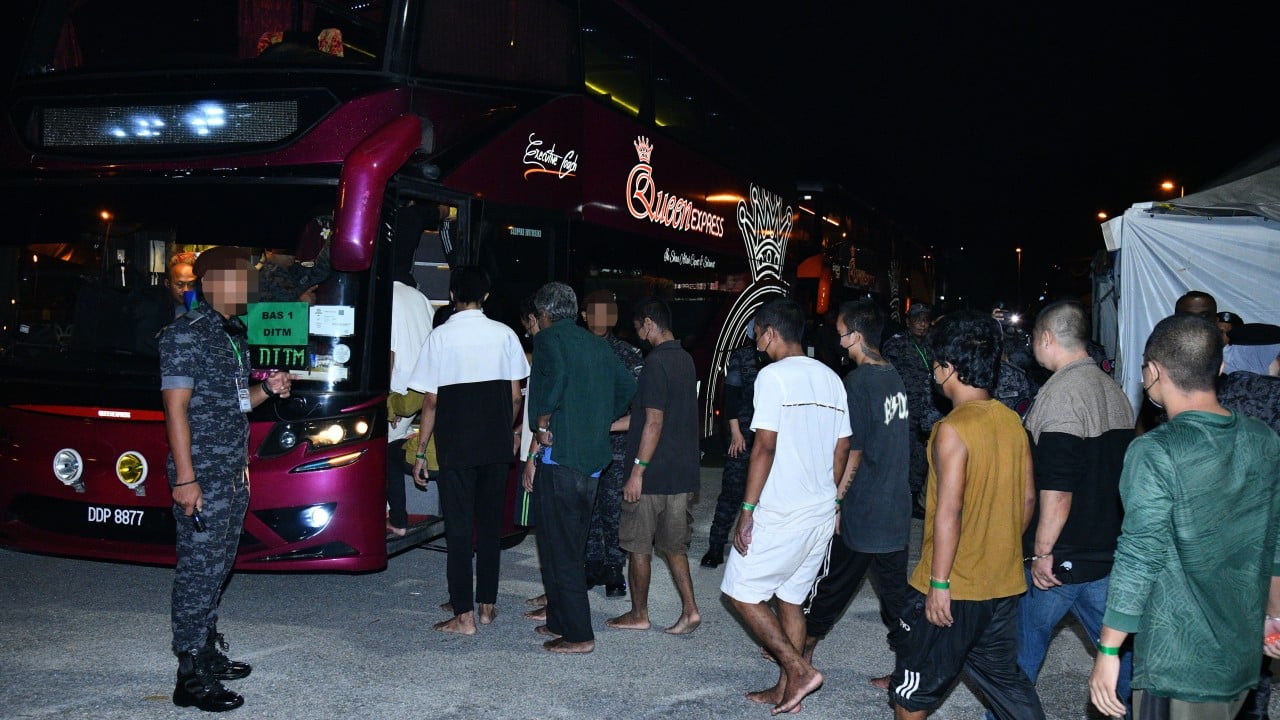
Malaysia just kicked off a contentious repatriation program, sending hundreds of Myanmar nationals back to a country torn apart by civil war. Kuala Lumpur plans to deport roughly 5,000 detained Myanmar citizens in total, with an initial batch of 1,476 individuals moving out under an opaque arrangement coordinated with Myanmar's military junta.
If you look past the official press releases, you see a policy collision of domestic political pressure, rising anti-immigrant hostility, and severe humanitarian risk. Rights organizations are screaming bloody murder, and honestly, they have every reason to. Sending vulnerable people back into a brutal conflict zone where the military junta enforces active conscription looks less like administrative housekeeping and more like an active endangerment of human lives.
The Pressure Cooker Inside Malaysia
Why is Kuala Lumpur doing this now? You can't understand this shift without looking at Malaysia's domestic landscape. Over the past year, public sentiment toward undocumented migrants and refugees—particularly the Rohingya minority—has soured dramatically. Surging immigration raids, online disinformation campaigns, and mounting anti-refugee petitions have created an intense political headache for Prime Minister Anwar Ibrahim’s administration.
Malaysia has never signed the 1951 Refugee Convention. Under local laws, every single unauthorized entry or extended stay is treated as a criminal immigration offense. When public fatigue combines with sliding approval ratings and back-to-back state election losses, politicians look for quick wins. Cracking down on foreign nationals plays well with specific domestic voting blocs, even if it compromises long-standing regional humanitarian norms.
The Conscription Crisis Awaiting Returnees
The timing of this deportation couldn't possibly be worse. Myanmar remains a fractured state where the military junta is losing territory to ethnic armed groups and resistance forces. To plug massive manpower gaps, the junta implemented a strict military conscription law, dragging young men and women straight into active combat zones with little training.
Human rights monitors, including Human Rights Watch and various regional advocacy groups, warn that returning detainees are prime targets for forced military recruitment. When you deport an undocumented migrant straight into a war zone governed by a desperate military regime, you aren't just sending them home. You are handing them a rifle and pushing them onto the front lines. Families split apart across borders are left bracing for the worst, terrified that deportation equals a death sentence.
Navigating the Diplomatic Tightrope
Kuala Lumpur is walking a very thin diplomatic wire. On one hand, Prime Minister Anwar Ibrahim has previously courted international attention for taking a more vocal stance on regional crises, even suggesting direct talks with junta leader Min Aung Hlaing to tackle the underlying Rohingya displacement. On the other hand, executing bilateral deals with a discredited military government to facilitate mass deportations undermines any progressive democratic posturing.
The process itself remains remarkably opaque. Details regarding how these 5,000 individuals were screened, what protections they possess, or what monitoring mechanisms exist post-return are scarce. Transparency is the first casualty when governments rush controversial migration pacts through the backdoor.
What Happens Next
The first phase of deportations is underway, but the political and humanitarian fallout is only beginning. Local civil society groups and international watchdogs are ramping up pressure on ASEAN to intervene and force member states to respect non-refoulement principles—the international law forbidding the return of people to a country where they face torture or cruel treatment.
If you are tracking Southeast Asian migration trends, watch how neighboring countries respond to Malaysia's hardline turn. If other host nations replicate this playbook, the region could see a domino effect of forced returns, deepening an already catastrophic humanitarian displacement crisis across the entire Andaman Sea corridor.