Local politics used to stay local. Potholes, zoning laws, police budgets, and the housing crisis dominated campaigns. But today, the boundaries between city hall and international conflict blur faster than ever.
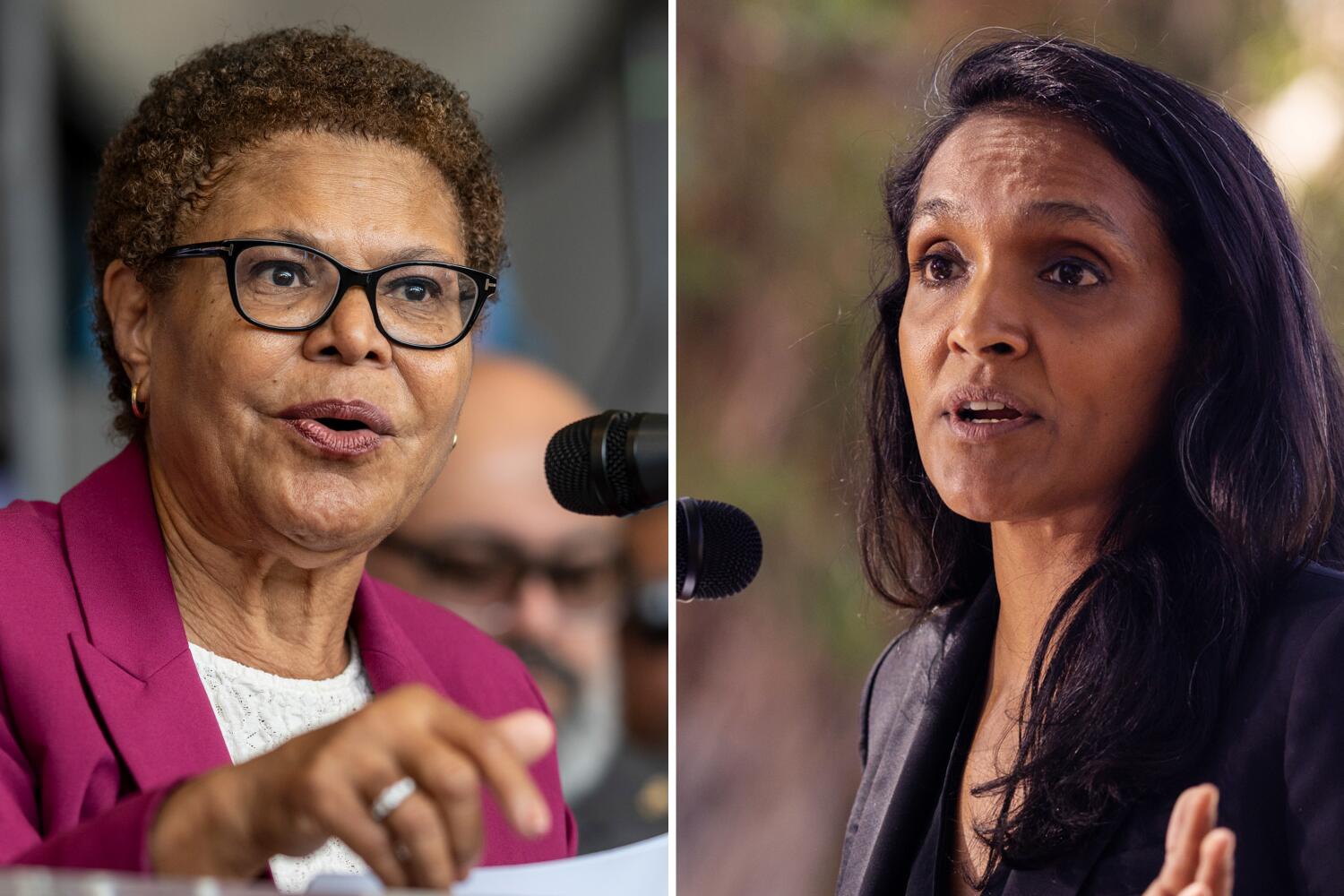
Incumbent Mayor Karen Bass and challenger City Councilmember Nithya Raman are set to face off at a high-stakes forum hosted by a coalition of Jewish groups at the Skirball Cultural Center. Organized alongside Jewish Federation Los Angeles and other regional organizations, the event forces municipal candidates into a conversation that extends far beyond city limits. When you step onto a stage centered on the concerns of Jewish Angelenos, foreign affairs are bound to cast a long shadow.
Foreign policy isn't traditionally a mayoral portfolio. Mayors don't negotiate ceasefires or vote on foreign aid packages. Yet, local leaders find themselves squeezed between global activism and local community protection. Antisemitism has surged across American cities, and university campuses, public squares, and city council chambers in Los Angeles have become battlegrounds for demonstrations regarding the Israel-Hamas war and the situation in Gaza. Voters aren't just looking at garbage pickup anymore; they want to know where leaders stand on community safety, hate crimes, and international flashpoints that directly impact neighborhoods at home.
When you look at the recent polling numbers, the race between Bass and Raman is fierce. Raman has gained significant traction, pushing the incumbent to defend her record on multiple fronts. Local forums like this one serve as critical litmus tests. They measure not just a candidate's grasp of municipal governance, but their ability to navigate deeply emotional, polarized cultural waters without alienating vital constituencies.
Antisemitism protection is a massive piece of this puzzle. Jewish communities across Southern California have watched security threats climb. Funding for nonprofit security grants, local law enforcement response times to hate incidents, and city leadership's rhetorical stance on protests all matter immensely. Candidates can't give generic, canned answers about unity. They have to detail specific steps they take to keep community centers, synagogues, and schools safe.
At the same time, the broader electorate is watching how these leaders handle free speech versus public safety. Pro-Palestinian demonstrations and pro-Israel rallies have repeatedly tested the limits of the Los Angeles Police Department's operational strategies. Mayors command the police department. They dictate how officers handle crowded streets, campus adjacent clashes, and contentious public council meetings.
Local elections have transformed into nationalized referendum tests. Candidates who hope to lead a sprawling, diverse metropolis like Los Angeles must prove they can comfort grieving or anxious constituents while managing chaotic public demonstrations under intense public scrutiny. The Skirball Cultural Center stage will test whether Bass and Raman can balance these competing pressures. Voters will decide if the answers measure up.


