We've watched the standoff in the Persian Gulf drag on, yet Washington and Tehran remain trapped in a familiar, dangerous loop. Military campaigns and heavy naval bombardments haven't delivered a clean victory. Instead, the conflict has shifted into a grinding war of economic attrition and strategic choke points, anchored primarily around the contested waters of the Strait of Hormuz.
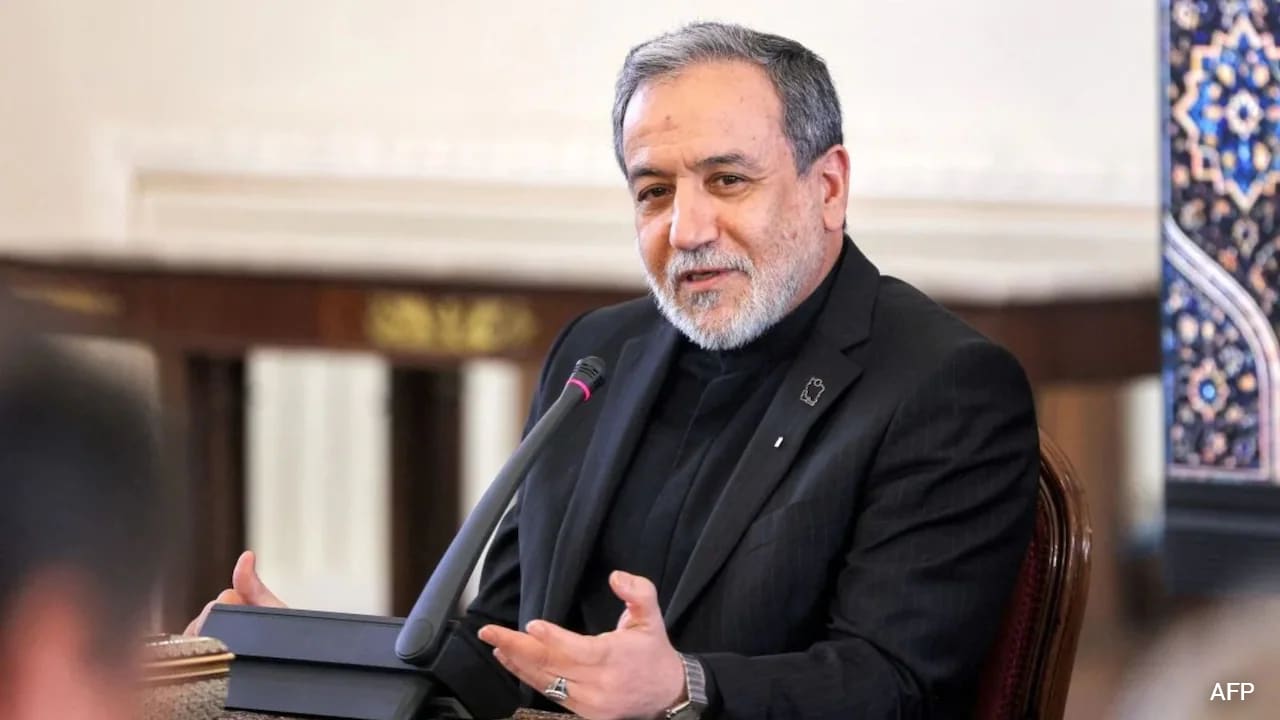
Iranian Foreign Minister Abbas Araghchi made it clear during a recent diplomatic gathering that brute force is a dead end. When you look at how the region has responded to months of missile exchanges and counterblockades, the reality is plain to see. There is no military solution on the horizon, and threats of heavier sanctions simply fail to alter Tehran's calculus.
The Battle For The Strait Of Hormuz
The absolute center of gravity in this crisis is the Strait of Hormuz. It's a narrow, vital shipping lane carrying a massive chunk of global oil and liquefied natural gas. When Iran decided to clamp down on commercial transit through this channel, global energy markets felt the shock instantly.
Tehran's strategy relies on asserting authority over the passage. Vessels moving through without explicit permission risk interception or projectile strikes. In response, the United States has deployed naval counterblockades and military escorts, turning a vital trade route into a heavily armed maritime theater. A recent incident reported by the UK Maritime Trade Operations agency—where a tanker took a hit in its engine room from an unknown projectile—underscores just how fragile safety is in these waters.
Why Indirect Talks Keep Stalling
Last week, indirect discussions on the sidelines of the UN General Assembly offered a brief glimmer of hope. Tehran reportedly brought a seven-point proposal to the table. Their demands included an immediate regional ceasefire, the unfreezing of billions in foreign assets, the lifting of oil sanctions, and a complete halt to the US naval blockade.
Washington shot it down. The Trump administration rejected the terms, arguing they don't address core security concerns and resemble past nuclear disagreements. Meanwhile, Washington has quietly beefed up its regional footprint, sending additional Patriot missile batteries to Saudi Arabia and Qatar alongside carrier strike groups.
What Justice Actually Means To Tehran
When Iranian officials talk about negotiations based on justice, they mean a fundamental rewriting of the rules of engagement. They aren't interested in returning to a status quo where sanctions choke their economy while foreign warships patrol their doorstep unchecked.
If you look at the track record of modern sanctions, they rarely force unconditional surrender from determined regional powers. They mostly harden resolve and push nations to find alternative economic lifelines. Iran's leadership knows this, which explains why they continue to link any reopening of the Hormuz strait directly to the removal of economic restrictions and maritime harassment.
The current escalation cycle proves that neither side can bomb its way to a permanent settlement. Unless diplomatic channels start addressing the core economic and territorial demands driving this standoff, the Persian Gulf will remain on edge, one projectile away from a much wider conflagration.