When the Palestine Mission to the United Nations spotlights a speech, diplomats listen. External Affairs Minister S. Jaishankar recently took to the UN General Assembly podium and didn't mince words about the crisis in West Asia. He made it crystal clear: a durable and lasting peace requires a two-state solution.
If you've been following India's foreign policy shifts over the last few decades, you know New Delhi walks a diplomatic tightrope. They maintain strong strategic and defense ties with Israel while historically championing Palestinian statehood. Jaishankar's UNGA address wasn't a sudden pivot. It was a reaffirmation of a long-standing diplomatic doctrine at a time when global powers are deeply fractured over the Middle East.
What Jaishankar Actually Said at the UN
Jaishankar pointed out the obvious reality that many global leaders try to dance around. Tensions and violence continue to batter West Asia, and ignoring the core political aspirations of the Palestinian people won't fix anything.
He stated directly that enduring peace demands a two-state solution. But he didn't just stop at high-level political rhetoric. He pointed to action. New Delhi continues to ship humanitarian assistance and relief to Palestinian civilians, channeling aid both bilaterally and through the United Nations Relief and Works Agency (UNRWA).
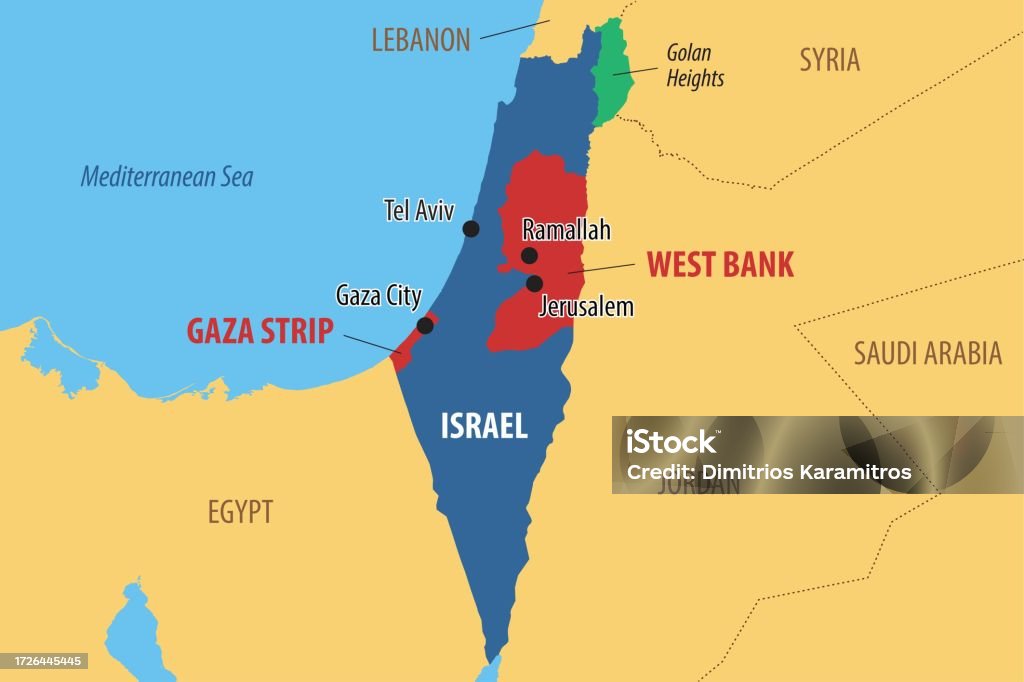
India's position has always been consistent on paper, but repeating it loudly on the world stage carries weight. New Delhi backs a negotiated two-state outcome that leads to a sovereign, independent, and viable State of Palestine. The borders must be secure and recognized, allowing Palestine and Israel to live side by side in peace.
The Balancing Act of Modern Diplomacy
Why does the Palestine Mission highlighting these remarks matter? Because internet diplomacy moves fast, and endorsements are tactical. When the official Palestinian mission shares a video clip of India's foreign minister on social media, it signals appreciation for consistent multilateral support.
India isn't just shouting slogans from the sidelines. Look at the broader picture. New Delhi condemned the October 7 terror attacks by Hamas against Israel, while simultaneously expressing deep concern over the massive loss of civilian lives during the subsequent conflict. Holding both positions at once frustrates absolutists on both sides. Yet, it represents India's pragmatic approach to international relations. You cannot build peace if you dismiss the security fears of one party or the humanitarian agony of another.
Beyond West Asia: The Bigger Picture of Global Instability
Jaishankar didn't limit his UNGA critique to the Middle East. He tied the West Asian crisis to a wider global decay in stability, touching upon the protracted war in Ukraine. Quoting Prime Minister Narendra Modi, he reminded the assembly that endless wars must eventually give way to an end to war.
He warned that the world is living on the edge of an abyss.
"Peace is not just the absence of war. If the world is subjected to continuous threats and pressures, then we are really living on the edge of an abyss."
✨ Don't miss: nuclear power plant in georgia
When supply chains for food grains and energy face constant disruption, countries far away from the battlefields bleed economically. India positioned itself once again as a willing partner to step up, especially when it comes to safeguarding global food and energy security.
What Happens Next
Diplomatic speeches rarely stop bullets overnight. We know that. A statement at the UN doesn't instantly redraw borders or halt military campaigns.
However, words shape the diplomatic baseline. By persistently advocating for Palestinian UN membership and a viable two-state framework, India keeps pressure on the international community to refuse the normalization of endless conflict.
Watch how other middle powers respond in upcoming multilateral forums. If you want to understand where global policy is heading, stop looking at press releases and start tracking which nations refuse to let the two-state solution die quietly.