Hiding behind masks while targeting Indigenous communities reveals everything you need to know about conviction. If you truly believe in a message, you stand tall in the daylight. You don't conceal your face like a thief in the night.
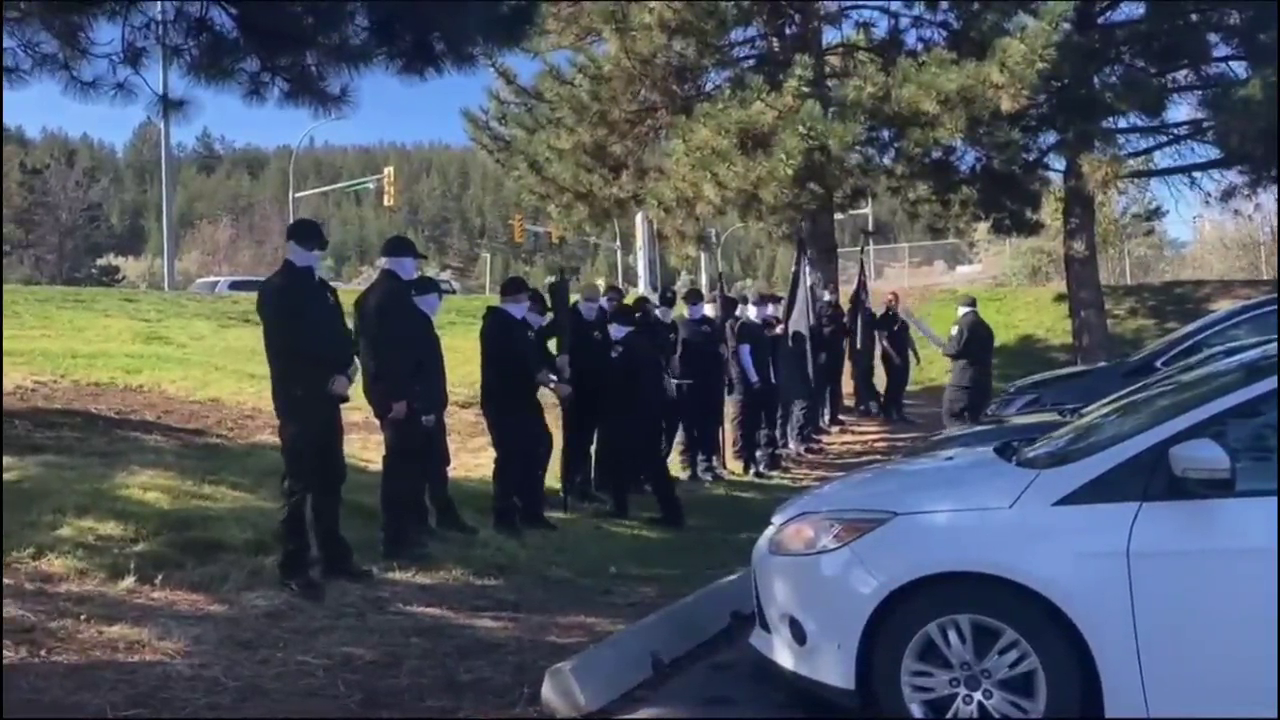
That basic truth came into sharp focus on a Sunday morning when a masked group showed up on Tk̓emlúps te Secwépemc land in the B.C. Interior. Wearing black clothing and hiding their faces with white material, these individuals erected a provocative banner bearing the words "got bones." The timing was far from accidental, landing just ahead of the National Day for Truth and Reconciliation. It’s a cowardly stunt designed to reopen generational wounds, intimidate a community, and avoid personal accountability.
The Anatomy of Modern Provocation
Hate groups thrive on cowardice. When Kamloops RCMP Supt. Jeff Pelley addressed the incident, he didn't mince words. He called out the use of masks as a deliberate tactic to dodge legal and social consequences.
Think about how these demonstrations operate. They rely on shock value and anonymous intimidation. The moment accountability enters the picture, the bravado vanishes. BC Leader David Eby put it bluntly when he noted that if these agitators truly thought people were on their side, they wouldn't hide their identities. They know the public backlash would be swift because communities across British Columbia reject this kind of hatred.
The banner itself—referencing the grim history of residential school discoveries—targets a community that has experienced profound, documented trauma. In 2021, Tk̓emlúps te Secwépemc shared findings indicating more than 200 potential unmarked burials on the grounds of the former Kamloops residential school. Weaponizing that pain for a cheap, hateful stunt isn't political discourse. It’s harassment disguised as activism.
Why Residential School Denialism Still Hurts
Denialism isn't just an offensive opinion; it's a deliberate strategy to erase historical facts. When groups target First Nation land with provocative signage right before a national day of reflection, they aim to disrupt healing.
Wade Grant, an MP and member of the Musqueam Nation, pointed out that this incident underscores an urgent need for education. People need to understand the true fabric of Canada. Residential school denialism actively tears at the multi-generational efforts families have made to heal.
We can't just scroll past these headlines and pretend they are isolated incidents. They represent a broader symptom of ignorance that festers online and spills into real-world spaces. When leaders across the political spectrum—from Prime Minister Mark Carney to provincial figures—denounce these actions as abhorrent, it matters. But words alone won't stop individuals from trespassing and terrorizing communities.
What Needs to Happen Next
Confronting this kind of intimidation requires more than temporary outrage. Real progress demands practical accountability and community resilience.
- Support Law Enforcement Investigations: Local police are actively reviewing video footage and gathering evidence under file 2026-32566. If you have information, contact the Tk'emlúps Rural RCMP Detachment at 250-314-1800 or Kamloops RCMP at 250-828-3000. Anonymous tips go through Crime Stoppers at 1-800-222-8477.
- Prioritize Education Over Ignorance: Read verified historical accounts, engage with Indigenous-led resources, and actively counter misinformation when you encounter it in your daily life.
- Utilize Support Lines: Incidents like this trigger deep distress. The Indian Residential Schools Crisis Line is available 24/7 at 1-800-721-0066, and the Hope for Wellness Help Line offers toll-free support at 1-855-242-3310.
Cowards rely on silence and fear to win. Refusing to give them either is the only way forward.