When Beijing promised to stop funding international coal plants five years ago, climate analysts breathed a massive sigh of relief. It sounded like a definitive end to public cash flowing into dirty energy across the developing world. President Xi Jinping made the historic announcement at the United Nations, setting off a wave of optimism.
Reality, however, proved messier than the diplomatic headlines suggested. In other developments, take a look at: What We Know About The Newcastle Car Crash That Injured Ten People.
Fast forward to today, and reports from groups like the Centre for Research on Energy and Clean Air show that while two-thirds of planned coal capacity has vanished, clever workarounds keep fossil fuels alive abroad. If you look closely at how policy meets practice, you'll spot the exact vulnerabilities keeping coal alive.
The Captive Coal Loophole
State-backed financing dried up fast. That part of the promise held. But private companies found an entirely different playbook. TIME has analyzed this fascinating subject in great detail.
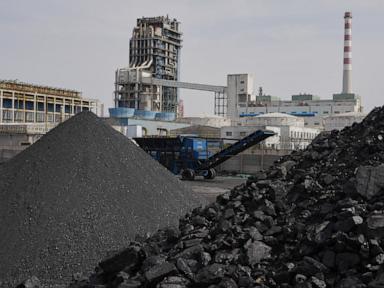
Enter captive coal plants. These are off-grid, privately funded power facilities built directly to serve industrial hubs—mostly nickel and metal processing plants in places like Indonesia. Because they aren't selling electricity back to a national grid under a traditional public utility framework, they slip right past the official definitions used in Beijing's original pledge.
Private Chinese firms keep building these localized stations because heavy industries need cheap, uninterrupted juice. It's a glaring loophole. Official state banks aren't cutting the checks, but private corporate balance sheets are footing the bill instead.
What the Numbers Actually Show
Let's look at the hard data. Since the 2021 ban, cancellation numbers look impressive on paper. Research tracking these shifts notes that roughly 61.5 gigawatts of planned coal capacity have been axed, wiping out billions of tonnes of potential lifetime carbon dioxide emissions.
Yet, operational projects continue to inch upward. Plants that were already deep into construction when the ink dried on the 2021 announcement made it across the finish line. Worse, a new category of "mothballed" or idle facilities has emerged. These are plants sitting in limbo, waiting to spark back to life without triggering a brand-new permitting cycle.
When you check countries like Zimbabwe, Bangladesh, and Indonesia, you see a mixed bag. Major public projects got canceled, saving millions of emissions, but smaller captive setups soldier on to feed the global demand for transition minerals like nickel.
Why Enforcing the Ban is So Hard
Beijing never set up a single, dedicated regulatory agency to police this overseas pivot. Without a centralized watchdog tasked exclusively with tracking every private actor, oversight remains fragmented.
Local governments in host countries often want the quick, cheap power that coal provides, especially when industrial parks need immediate electricity to process raw materials. Private developers exploit the ambiguity of words like "financing" and "building." If a company structures a deal as corporate equity investment rather than sovereign development aid, it dodges the restriction entirely.
How to Fix the Broken Framework
If policymakers actually want to finish what they started, a few shifts have to happen immediately:
- Expand the definition: The overseas coal ban must explicitly cover captive, off-grid industrial power plants, regardless of whether they are funded by state banks or private enterprises.
- Create an enforcement body: Beijing needs a centralized agency with actual authority to audit overseas investments by Chinese companies and block non-compliant fossil fuel projects.
- Redirect capital aggressively: Financial institutions must speed up their pivot toward hybrid microgrids, wind, solar, and grid modernization in host nations so industries don't feel forced to rely on coal for baseline power.
The 2021 pledge changed the trajectory of global energy finance for the better. But until private workarounds and captive industrial loopholes face the same restrictions as public mega-projects, coal will keep finding a back door.