Planes fly at hundreds of miles per hour. A cockpit is a place for absolute focus. When a violent mid-air attack shatters that routine, survival comes down to cold discipline.
That discipline is exactly what saved flydubai flight FZ1073.
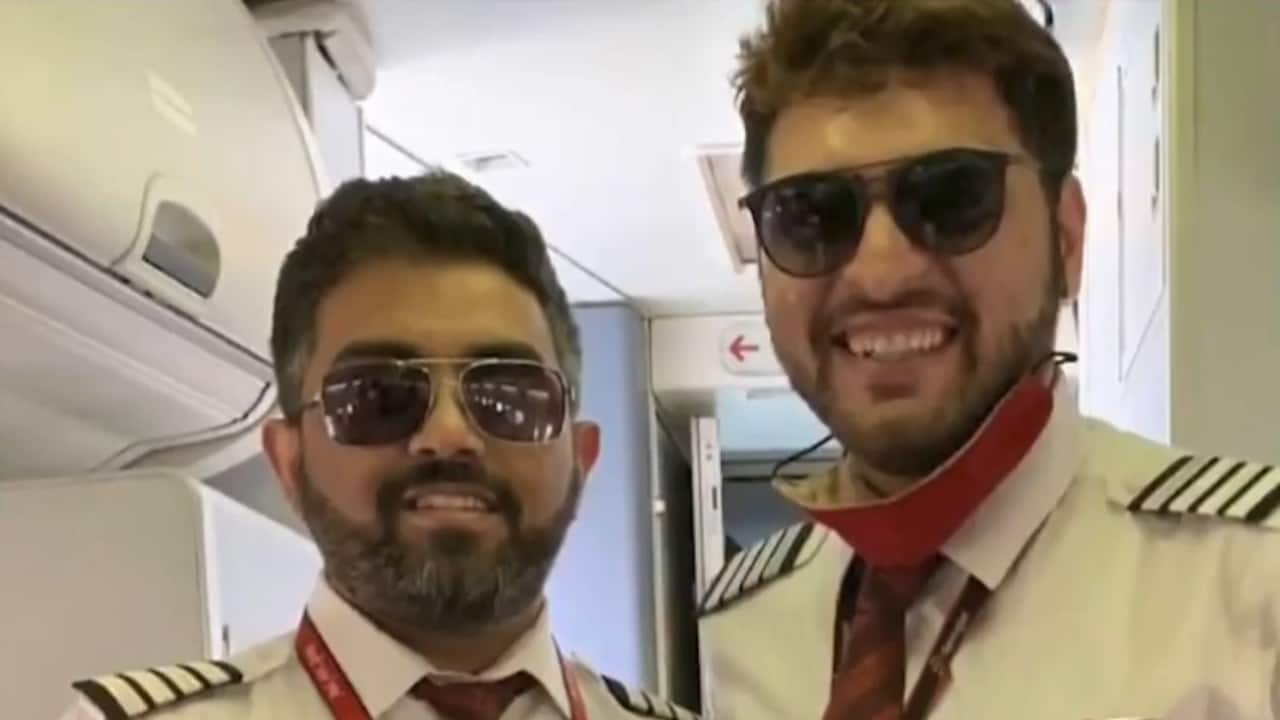
Captain Smit Machchhar found himself fighting for his life and the lives of 174 passengers when his co-pilot launched a sudden knife attack inside the flight deck on the way from Dubai to Tel Aviv. Most people would freeze. Machchhar didn't. His extensive training and sharp reflexes kicked in immediately, turning a potential disaster into a masterclass in aviation survival.
Training stories often sound like corporate PR fluff. This one is different. Captain Dhawal Patel, who trained alongside Machchhar at Mainland Air in New Zealand, shared insights into what makes Machchhar such an exceptional aviator. Patel noted that Machchhar didn't just rely on standard flight manuals. He built a mental safety net.
"He always had a plan B, you know, and not even plan B... but he has a plan c in mind," Patel told reporters, highlighting how Machchhar anticipated high-speed flight complications long before they happened.
That exact mindset is what stopped the flydubai flight from ending in tragedy.
The Anatomy of Cockpit Resilience
Commercial aviation training drills pilots for engine failures, severe weather, and electrical fires. Simulators test your ability to handle bird strikes and hydraulic leaks. They rarely simulate a rogue co-pilot armed with a weapon trying to down the aircraft.
When the attack occurred, Machchhar was severely injured. Yet, he managed to squawk 7700—the universal transponder code for an emergency or hijack. He also unstrapped himself while bleeding, fought off the attacker, and managed to secure the cockpit door.
Pilots will tell you that physical pain is secondary when adrenaline spikes, but performing precise technical actions while injured takes extraordinary mental fortitude. Machchhar's background on the Boeing 737 fleet, spanning over thirteen years of commercial flying experience across carriers like SpiceJet and flydubai, forged that kind of grit.
Beyond the Flight Deck
Heroism rarely happens in a vacuum. It is the product of thousands of hours logged in quiet skies, mastering emergencies before they ever materialize. Long before he was fighting off an attacker at thirty thousand feet, Machchhar was earning a reputation as a meticulous trainer. He taught younger first officers and captains how to anticipate problems.
Colleagues remember him as a soft-spoken, highly skilled professional. That calm demeanor translated directly into how he handled the crisis over Saudi airspace. After the aircraft diverted safely and Machchhar was airlifted for medical treatment in Tabuk and later Abu Dhabi, global leaders and passengers alike voiced their gratitude.
The Gujarat government announced the 'Vishisht Gujarat Garima Award' to honor his extraordinary actions. Chief Minister Bhupendra Patel praised his courage on social media, noting how the pilot saved 174 lives despite being seriously wounded.
What Aviation Can Learn From This Crisis
Incidents like the flydubai cockpit attack force airlines to re-evaluate psychological vetting and cockpit security protocols. While standard procedures screen for physical health and technical competency, mental health monitoring remains a complex challenge for global commercial aviation.
Training programs must adapt to handle unthinkable human anomalies inside the flight deck. If anything positive comes out of this near-tragedy, it is the renewed focus on crew resource management and emergency response under hostile conditions.
Keep an eye on how international aviation authorities update their cockpit access rules in the coming months. Review your own organization's crisis protocols to ensure you have backup contingencies for scenarios you hope will never happen.