Elections get messy. But dragging a revered religious figure into the final stretch of a tight presidential race takes political theater to an entirely new level.
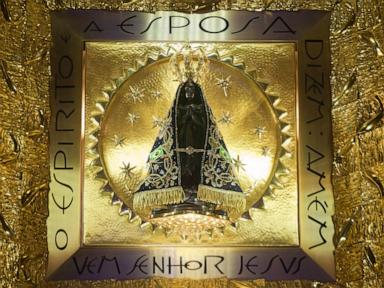
If you've been following the frantic closing days of Brazil's high-stakes presidential contest, you've likely bumped into a bizarre viral narrative. The story claims that right-wing candidate Flávio Bolsonaro plans to strip Our Lady of Aparecida—the country's beloved patron saint—of her historic title if he wins.
It is completely false. Yet, this single viral falsehood has upended the campaign, triggered emergency Supreme Court clashes, and exposed deep fault lines between Brazil's Catholic majority and its booming evangelical population.
Where Did This Viral Claim Come From?
The rumor rests on twisted history. Nearly two decades ago, an evangelical deputy introduced a minor, short-lived bill in Congress regarding religious symbols. The proposal went nowhere and was shelved almost immediately.
Fast forward to the current election cycle. Political opponents and online networks weaponized that old, dead bill to paint conservative candidate Flávio Bolsonaro—an evangelical senator and son of former President Jair Bolsonaro—as hostile to Catholic traditions.
Bolsonaro's team scrambled to push back, releasing urgent video statements calling it the biggest piece of fake news in the campaign. "Everyone knows that I respect religions. All of them!" Bolsonaro shot back, accusing political rivals of spreading disinformation.
Meanwhile, leftist incumbent Luiz Inácio Lula da Silva seized on the cultural anxiety at a campaign rally, telling crowds that as long as he is around, no one will disrespect the patron saint. Lula is pushing hard for a fourth nonconsecutive term, and locking down the religious vote is central to his strategy.
The Legal and Judicial Chaos
The viral claim didn't just stay on social media. It marched straight into Brazil's highest courts, creating a bizarre judicial civil war among Supreme Federal Court justices.
Late last week, Justice André Mendonça issued an emergency takedown order via the Superior Electoral Court, calling the posts "notoriously untrue" and arguing they inflicted unfair damage right before voters head to the ballot boxes.
Just days later, fellow Supreme Court Justice Flávio Dino overturned that exact order. Dino argued that the posts didn't meet the strict threshold required to override freedom of expression, tossing the explosive issue over to the full court for a broader review.
When your supreme judicial body starts publicly disagreeing on online rumors days before a national election, you know democratic guardrails are being tested to their absolute limits.
Why Religion Is the Ultimate Battleground in Brazilian Politics
This patron saint controversy works because it strikes at a massive demographic shift happening across South America's largest nation.
Brazil has historically been the world's largest Catholic country. But over the last few decades, evangelical churches have grown exponentially, capturing millions of working-class voters and wielding immense political clout. Many evangelical denominations do not recognize saints or venerate religious icons the same way Catholics do.
Politicians know this. Conservative candidates heavily court the evangelical base, while left-leaning contenders often lean into traditional Catholic imagery to shore up older, more conservative demographics. When a fake story pits a Catholic symbol directly against an evangelical candidate, it forces millions of voters to choose sides along religious lines rather than policy platforms.
What Happens Next at the Ballot Box
With the final debate looming and poll numbers razor-thin, candidates are doubling down on damage control. The viral saint claim has successfully sucked all the oxygen out of debates about the economy, crime, and foreign policy.
If you are tracking modern political campaigns, the takeaway is stark. Disinformation doesn't need to make logical sense; it just needs to trigger enough emotional outrage to sway undecided voters in the final 72 hours.
Check your sources, ignore viral panic, and look past the cultural smoke screens before casting your vote.