Nearly 159 million Brazilians are stepping up to electronic voting machines today in a high-stakes presidential showdown that feels entirely like a 2022 rematch. Incumbent president Luiz Inácio Lula da Silva is fighting for his political life against Senator Flávio Bolsonaro, the eldest son of former leader Jair Bolsonaro. This election isn't just about domestic policy. It's a clash over the future of Latin America's largest economy and democracy, pitting an aging leftist icon against a right-wing challenger tied closely to U.S. political movements.
If you're trying to figure out why this race is so intensely polarized, you have to look past the superficial headlines. The campaign has been dominated by fierce debates over national sovereignty, economic friction, and deep-seated cultural fault lines.
The Rematch by Proxy
Many analysts predicted a different lineup for the right wing at the start of the cycle, looking toward figures like São Paulo governor Tarcísio de Freitas or former first lady Michelle Bolsonaro. Instead, Jair Bolsonaro chose his eldest son, Flávio, to carry the mantle.
Flávio Bolsonaro has successfully inherited his father’s loyal voter base while tapping into a strong anti-incumbent current. Voters skeptical of Lula's Workers' Party remember past corruption scandals and economic turbulence. On the flip side, Lula’s camp has leaned hard into anti-system sentiments and nationalist themes, framing the election as a defense of Brazilian sovereignty against foreign interference.
What’s at Stake for 159 Million Voters
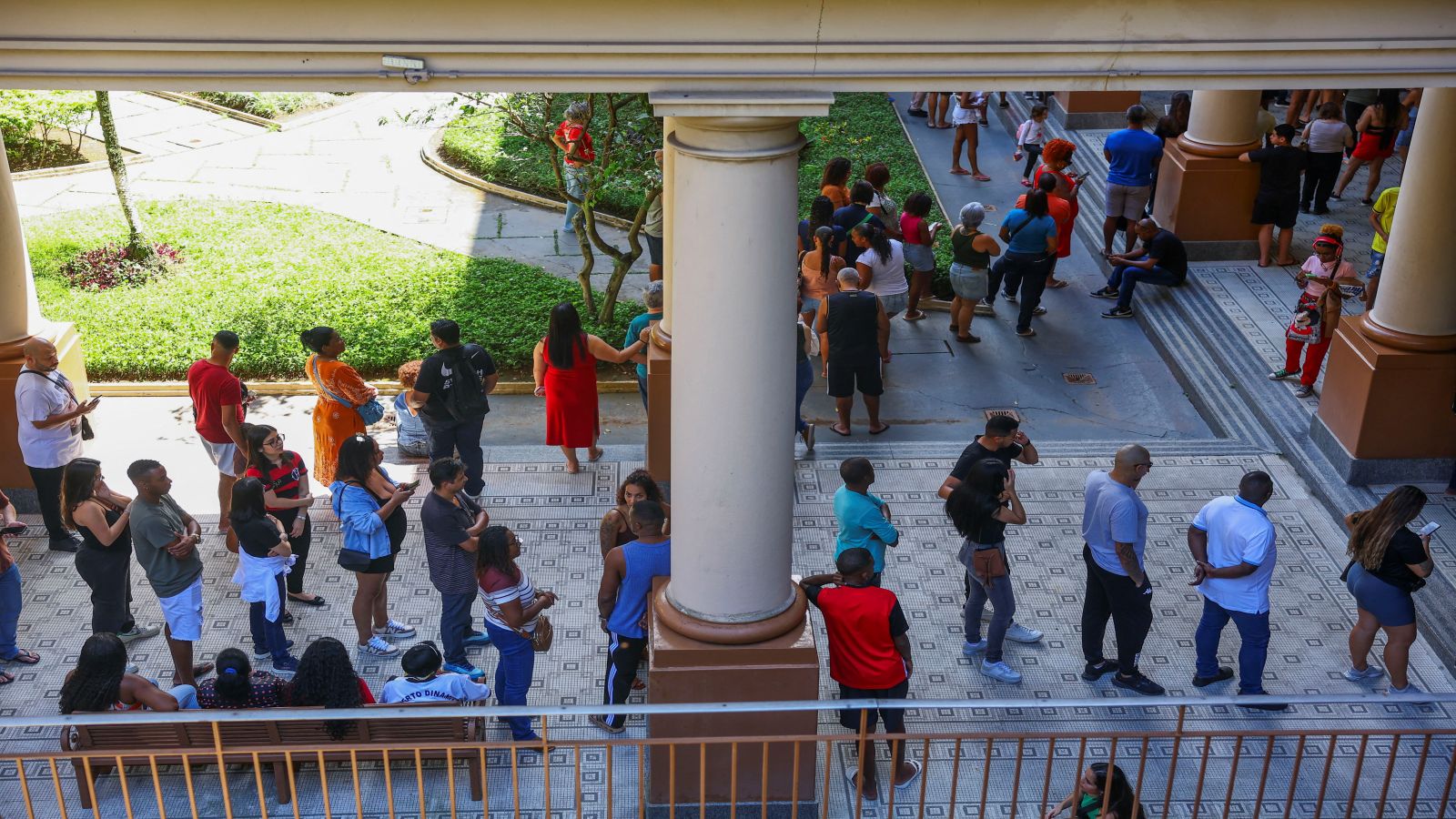
Mandatory voting for literate adults means the sheer scale of participation is massive. People are queueing up in neighborhoods from the upscale districts of Brasília to favelas in Rio de Janeiro to cast their votes using Brazil's efficient electronic ballot system.
The economic and geopolitical stakes couldn't be higher. A victory for Flávio Bolsonaro would align Brazil with other conservative or right-leaning administrations across the region, cementing a distinct political shift. Meanwhile, Lula is trying to secure another historic term, leaning on his administration's social programs and environmental initiatives despite facing fierce resistance from conservative lawmakers and high voter rejection rates in key urban centers.
Navigating the Next Steps
If you want to track how this election unfolds, your best move is to monitor updates directly from reputable international coverage and regional electoral monitors. Check real-time tracking via The Associated Press or read in-depth geopolitical analysis on Council on Foreign Relations. Keep an eye on the official vote tallies as they roll in tonight.
Lula and Flavio Bolsonaro close campaigns in dead-heat Brazil vote
This video provides a concise overview of the final campaign stretch and the tight statistical dead heat between Lula and Flávio Bolsonaro just hours before the polls opened.