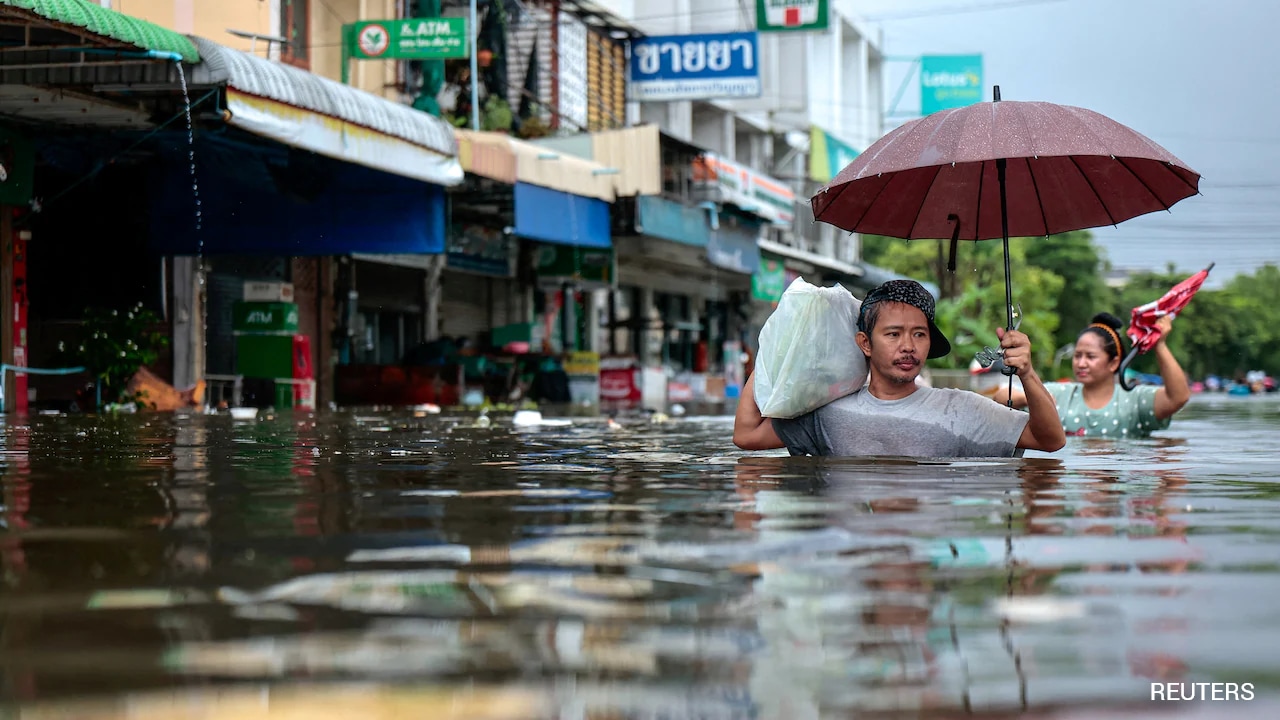
When a month's worth of rain dumps onto a sprawling concrete metropolis in a single weekend, municipal drainage maps cease to matter. You are simply left wading through knee-deep brown water while clutching grocery bags and hoping your home isn't swallowed next. Over seven lakh people across Bangkok found themselves in this exact nightmare following relentless downpours that forced the city to declare a state of emergency across all fifty districts.
Most headlines focus purely on the shock value of knee-high water near shopping malls and stranded cars. They miss the gritty, exhausting reality of what happens when urban infrastructure buckles under extreme weather. If you want to understand why these floods hit so hard and what life looks like on the ground, you have to look past the political crisis management and look at everyday survival.
The Reality Behind The Seven Lakh Affected
When Governor Chadchart Sittipunt declared the emergency, the scale was staggering. We are talking about 329,000 households grappling with submerged streets, blocked canals, and overloaded water pumps. Eastern Bangkok districts bore the absolute brunt of the deluge, turning residential housing estates into aquatic obstacle courses.
The immediate logistical nightmare went far beyond wet carpets. Public transit ground to partial halts, food supply chains fractured, and ordinary workers found themselves stranded miles away from their jobs. The Thai Air Force had to deploy ground personnel directly to Suvarnabhumi Airport just to clear massive baggage handling backlogs because regular ground staff couldn't navigate the flooded transit arteries to get to work.
People didn't just deal with wet shoes. They faced compounding crises:
- Income Instability: Hourly and daily-wage workers risked losing their jobs if they couldn't physically reach locked-down workplaces.
- Pet And Family Evacuations: Residents in single-story homes had to scramble in the dead of night to relocate elderly relatives and household pets to higher ground.
- Secondary Hazards: Rising water levels brought unexpected dangers, including displaced wildlife and contaminated runoff coursing through neighborhoods.
Why Bangkok Is Particularly Vulnerable
Geography has never been on Bangkok's side. Built on a low-lying delta near the Gulf of Thailand, the city sits precariously close to sea level. Decades of rapid, largely unregulated urban development replaced natural wetlands and water retention fields with miles of asphalt and concrete.
Water has nowhere natural to go. Canals that should act as fast-flowing drainage arteries frequently overflow because the city's drainage capacity gets overwhelmed during severe monsoon surges. When the main canals fill to the brim, they cannot accept runoff from surrounding residential communities. The water simply backs up into streets, alleyways, and living rooms.
Climate pressures are only amplifying these structural flaws. Modern storms drop heavier rainfall in shorter windows than historical averages recorded decades ago. Drainage tunnels and aging pump stations designed for past eras struggle to keep pace with these intense cloudbursts.
The Human Cost Beyond The Statistics
Macro numbers like "seven lakh affected" obscure the personal strain. Take residents like Naowarat Supanikorn, whose struggle highlights the silent economic toll of urban flooding. Waking up at 1:30 am to rising indoor water levels, her immediate instinct wasn't saving appliances—it was getting her dogs and cats to safety.
Losing a job because you cannot commute through waist-deep water triggers an immediate cascade of financial panic. When you live paycheck to paycheck, a weekend storm can erase months of savings and push you toward impossible choices between paying utility bills and feeding your family.
Government shelters and relief packages provide temporary relief, distributing thousands of care kits and housing displaced citizens in emergency centers. Prime Minister Anutin Charnvirakul inspecting flooded housing estates in rain boots makes for powerful evening news, but it doesn't instantly restore lost wages or fix structural vulnerabilities.
Preparing For The Next Deluge
Bangkok's ongoing battle with water isn't going away. Temporary emergency declarations and distribution of relief supplies are vital bandages, but they are not long-term cures. Urban planners face tough structural choices regarding zoning restrictions, wetland restoration, and massive upgrades to underground water retention mega-tunnels.
If you live in a low-lying urban center prone to rapid flash floods, preparation means expecting the worst before the rain starts. Keep emergency go-bags packed, elevate vital electronics, and establish clear communication plans with family and neighbors.
The water eventually recedes, but the underlying vulnerability remains. Until urban infrastructure catches up to extreme climate reality, city residents will continue watching the skies with deep unease every single monsoon season.