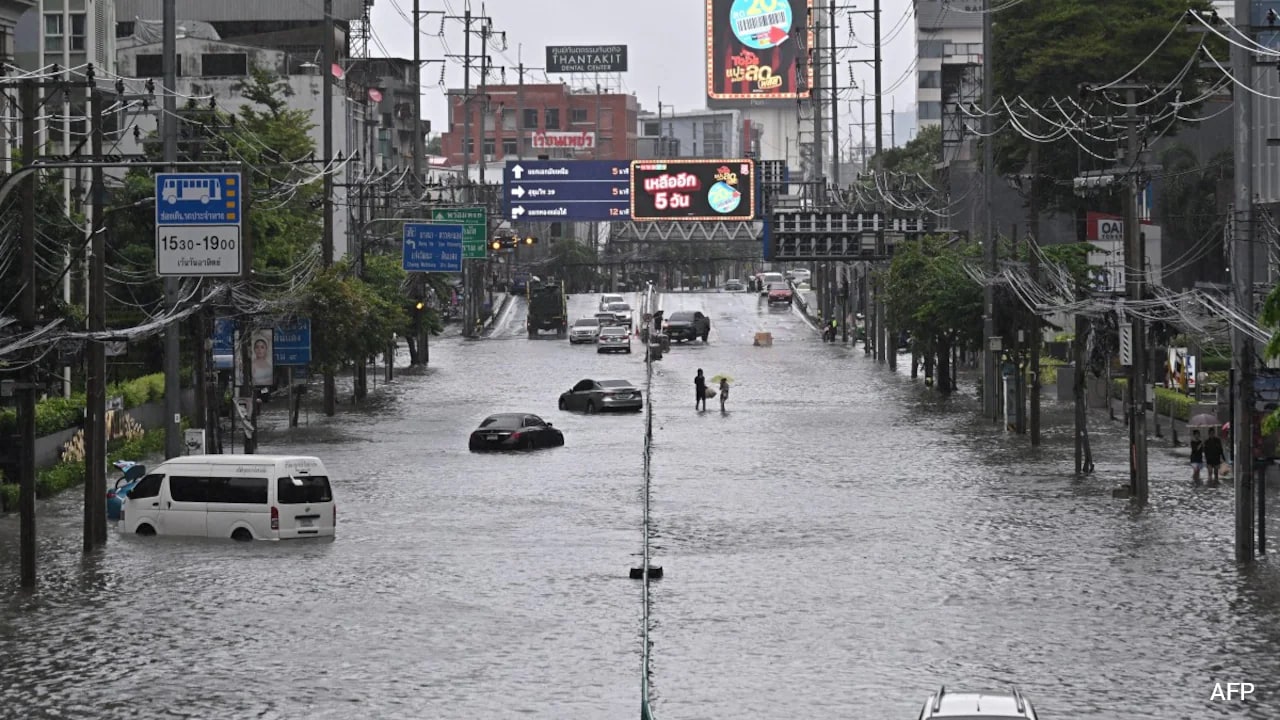
Water is rising fast. Every single canal is packed to the absolute brim.
Bangkok just declared a full disaster across all 50 districts. If you have ever walked the buzzing streets of the Thai capital, you know water management here is always hanging by a thread. But this time, nature won. Nearly 300 millimeters of rain has hammered the city since Thursday afternoon. That is nearly 12 inches of water pouring down from the sky in a matter of days.
Streets turned into rivers. Homes vanished under waist-high currents. Governor Chadchart Sittipunt did not sugarcoat the reality on social media. He warned that every single canal in the city is filled to capacity. Pumping stations are running flat out. They simply have nowhere to put the incoming torrent.
The Reality on the Ground Across Bangkok
East Bangkok took the hardest hit. Neighborhoods lining the primary waterways are entirely underwater. Local vendors are watching their livelihoods drift away.
Think about what it means to run a small shop or a restaurant right on the water's edge. You board up the doors. You lift the electronics onto plastic crates. You wait. Then the water creeps over your threshold anyway.
Somkid Pheuk-ngam, a 67-year-old vendor living near a northern canal, put it bluntly to reporters. She said the water reached her waist. She cannot leave her home. She compared this crisis directly to the catastrophic 2011 floods. That historic disaster killed over 500 people and paralyzed the country for months. When locals start whispering about 2011, you pay attention.
The immediate emergency measures are stark:
- Moving vehicles to elevated highway overpasses.
- Evacuating bedridden patients who rely on home medical equipment to proper hospitals.
- Issuing urgent alerts for residents near secondary canals to pack emergency bags.
Why Bangkok Floods So Easily
Geography is not on Bangkok's side. The city sits on a swampy, low-lying delta just a couple of meters above sea level. It acts like a giant bowl.
When heavy monsoon rains collide with high tides coming up the Chao Phraya River, drainage becomes nearly impossible. Decades of rapid, unplanned urban concrete expansion have erased natural water retention zones. Pavement replaced wetlands. Canals became choked with runoff.
Governor Sittipunt and city planners are fighting an uphill battle against geography and climate pressure. Pumping water out of a sinking bowl only works when the surrounding ocean or rivers can actually take the volume. Right now, they cannot.
What You Should Do If You Are Traveling or Living There
If you are currently in Thailand or planning a trip to Bangkok this week, throw out your standard itinerary. Do not expect normal transit flow.
Submerged roads mean taxis and buses are gridlocked or stranded. Major intersections turn into lakes within minutes of a heavy downpour.
Protect yourself with practical steps:
- Avoid walking through standing floodwater at all costs. It carries hidden debris, sharp objects, and dangerous bacterial infections like leptospirosis.
- Check transit updates constantly. Rail lines might run, but getting to and from the stations requires wading through deep water.
- Stock up on dry goods and bottled water if you are staying in a residential district prone to localized pooling.
The rain shows no sign of quitting anytime soon. Stay off the roads. Move your gear high. Watch the local alerts before making a single move.