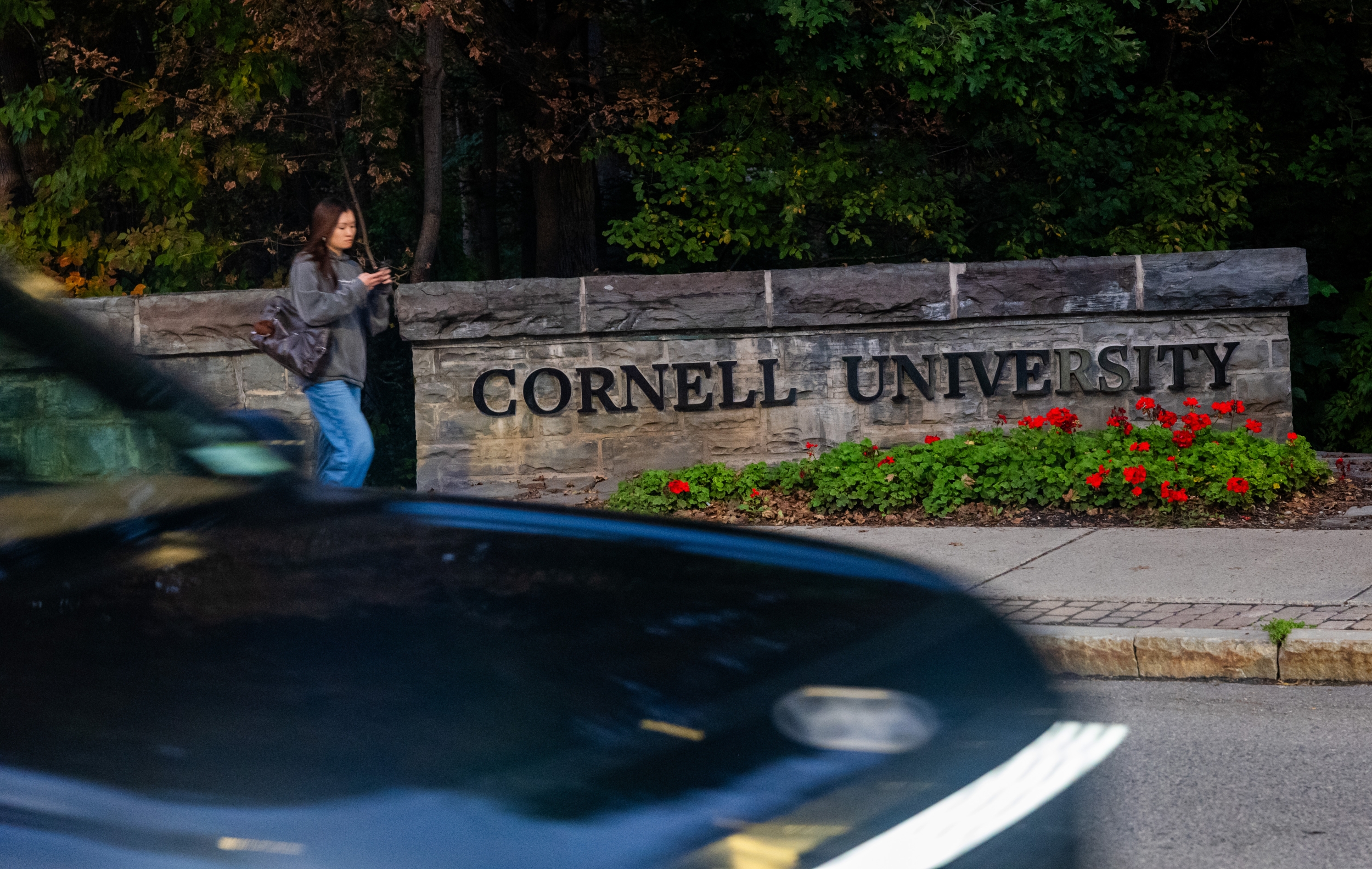
Journalism ethics usually move at a glacial pace. Editors weigh defamation risks, institutional policy, and the presumption of innocence for months before printing uncharged names. But every so often, a newsroom looks at the rulebook, throws it out the window, and decides that conventional restraint has become complicity. That is exactly what happened when The Cornell Daily Sun published an editorial titled "Cornell Won't, We Will," putting the names of seven men accused in a civil lawsuit of a brutal 2024 fraternity house gang rape directly into the public sphere.
The decision ignited a fierce media debate. When a student paper names individuals tied to a civil complaint who have not yet faced criminal charges, it shatters decades-old journalistic norms about criminal justice reporting. But understanding why the student editors made that call requires looking at how institutional trust collapsed long before ink hit the page.
The Breakdown of Institutional Accountability
The roots of the controversy stretch back to October 2024. A female student, referred to in court documents as Jane Doe, alleged she was drugged with ketamine, alcohol, and marijuana and gang-raped by multiple members of the Chi Phi fraternity over a grueling multi-hour ordeal. She reported the attack to campus police weeks later.
What followed became the core of public outrage. According to the civil lawsuit filed later, the university issued temporary suspensions but allowed the accused students to mitigate consequences through administrative measures like writing essays, while the formal Title IX process dragged on and was eventually closed. Meanwhile, the Tompkins County District Attorney’s office initially declined to bring criminal charges, citing insufficient evidence after a police review.
For students watching the administration handle the crisis behind closed doors, the official channels felt entirely opaque. When an institution protects its own branding over student safety, cynicism turns into direct action. The student paper's editorial board decided that protecting the privacy of uncharged men mattered less than warning the campus community about individuals walking the same quadrangles as victims.
The Ethics of Naming in the Age of Civil Complaints
Traditional news outlets rarely publish the names of suspects or defendants in sexual assault cases unless criminal charges have been formally filed by prosecutors. Civil lawsuits have a lower legal threshold of proof than criminal trials, meaning anyone with enough money for filing fees can name someone in a complaint. Critics of naming argue that it invites permanent reputational damage without the due process safeguards of a courtroom.
Yet student journalists at The Cornell Daily Sun operated under a different calculus. They saw an institutional failure so massive that traditional journalistic caution looked less like neutrality and more like protectionism. By naming Matthew Ingalls, Jonathan Newell, Winston Lee, Gillio Lopes, Diego Sarabia, Scott Norris, and Scott Kretzschmar, the paper forced a local story into national headlines.
The shockwaves were immediate. New York Governor Kathy Hochul called for an independent review of the university's response. The local district attorney reopened the criminal investigation to seek a grand jury review amid intense public pressure. Campus clubs, including the Cornell rugby team, began publicly distancing themselves from former players identified in the filings.
Why the Status Quo is Breaking Down
The decision by Cornell's student paper signals a broader shift in how campus media and digital-native journalists view their responsibilities. Young reporters are no longer willing to wait for slow-moving institutional bureaucracy that often runs out the clock until students graduate and leave town.
When universities treat severe misconduct as a public relations problem rather than a public safety emergency, independent student watchdogs fill the vacuum. They aren't bound by corporate advertising anxieties or risk-averse legal teams in the same way legacy media conglomerates are. They live on the same campus, walk the same halls, and share the immediate vulnerability of their peers.
Publishing the names of accused men before a criminal conviction remains a contentious journalistic gamble. But the calculus changes entirely when the alternative is silence that protects alleged predators while survivors carry the lifelong fallout alone. The student paper didn't just report the news; they disrupted a system that relied on quiet settlements and administrative essays to make horror disappear.
Take a close look at how institutions handle accountability when nobody is watching. If the only thing standing between a powerful administration and public safety is an unwritten rule about privacy, expect more student journalists to break that rule.