A commercial flight is supposed to be a masterclass in routine, boredom, and absolute protocol. You strap in, monitor the instruments, and trust the person sitting in the right-hand seat. But what happens when that trust shatters at 35,000 feet?
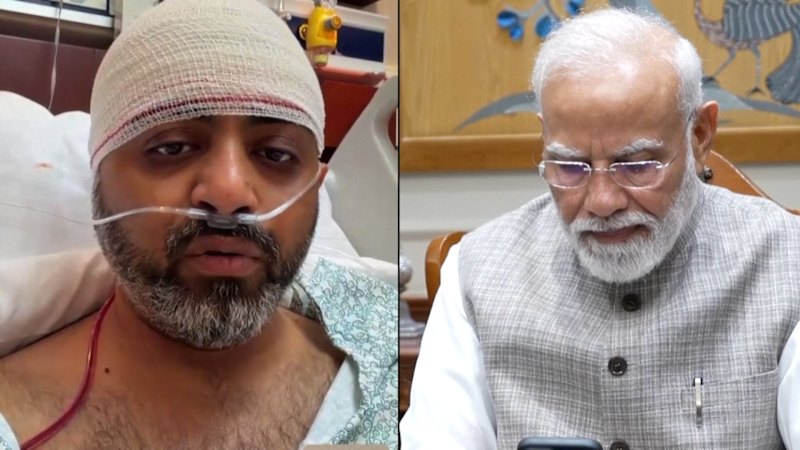
When an Indian pilot flying for flydubai from Dubai to Tel Aviv found himself stabbed by his own co-pilot mid-flight, the cockpit transformed into a survival zone. Months later, during a video call with Indian Prime Minister Narendra Modi, that pilot recounted the harrowing ordeal with stark clarity. His core motivation was simple and uncompromising: "I can't let anyone die."
The Terrifying Reality of Mid-Air Violence
We rarely think about insider threats in aviation. Security theater at airports focuses almost entirely on passengers—taking off shoes, scanning liquids, and tossing out pocket knives. Yet, the human element inside the flight deck remains one of the hardest variables to control.
When a co-pilot turns violent, the safety net vanishes instantly. You aren't just fighting a physical attack in a cramped, enclosed space; you are simultaneously managing an aircraft hurtling through the stratosphere at Mach 0.8.
- The cockpit is tight. There's zero room to maneuver or evade sudden strikes.
- Distraction is total. Every ounce of mental bandwidth is suddenly diverted from flight controls to self-defense.
- Time is compressed. Decisions must be made in seconds before the aircraft enters an unrecoverable attitude.
The flydubai incident exposes a chilling vulnerability in modern commercial aviation. How do you defend against a threat sitting right beside you?
Inside the Desperate Fight for the Door
The physical struggle wasn't just about absorbing knife blows; it was about access. In the tense recounting shared with Prime Minister Modi, the pilot emphasized his desperate scramble to reach the cockpit door and alert the rest of the crew.
Secured flight deck doors, designed post-9/11 to keep bad actors out, suddenly created a terrifying containment zone from within. When violence erupts on the flight deck, standard security architecture can backfire, trapping crew members with an active threat.
The pilot's refusal to surrender to his injuries kept the aircraft stable long enough to avert total catastrophe. It's a stark reminder that automated systems and rigid protocols still rely entirely on human grit when things go sideways.
What Aviation Authorities Need to Address Right Now
Airlines love to talk about mental health screenings and psychological fitness checks. They hand out pamphlets and set up anonymous helplines. But pilots will tell you off the record that reporting psychological distress often triggers immediate grounding and career destruction, creating a perverse incentive to hide symptoms.
To prevent future tragedies, the industry must fundamentally rethink how it handles crew wellness.
- De-stigmatize mental health reporting. Pilots need safe pathways to seek help without instantly losing their livelihood.
- Improve peer-to-peer monitoring. Train flight crews to spot subtle behavioral shifts and cognitive unravelling before a crisis hits.
- Re-evaluate cockpit security protocols. Design physical access overrides that account for internal threats, not just external hijackers.
Commercial aviation remains statistically the safest way to travel, but numbers offer little comfort when the threat is sitting right next to the yoke.
Take a close look at how airlines vet their flight crews. The next time you board a flight, remember that the people upfront aren't just button-pushers. They're security guards protecting you from each other.