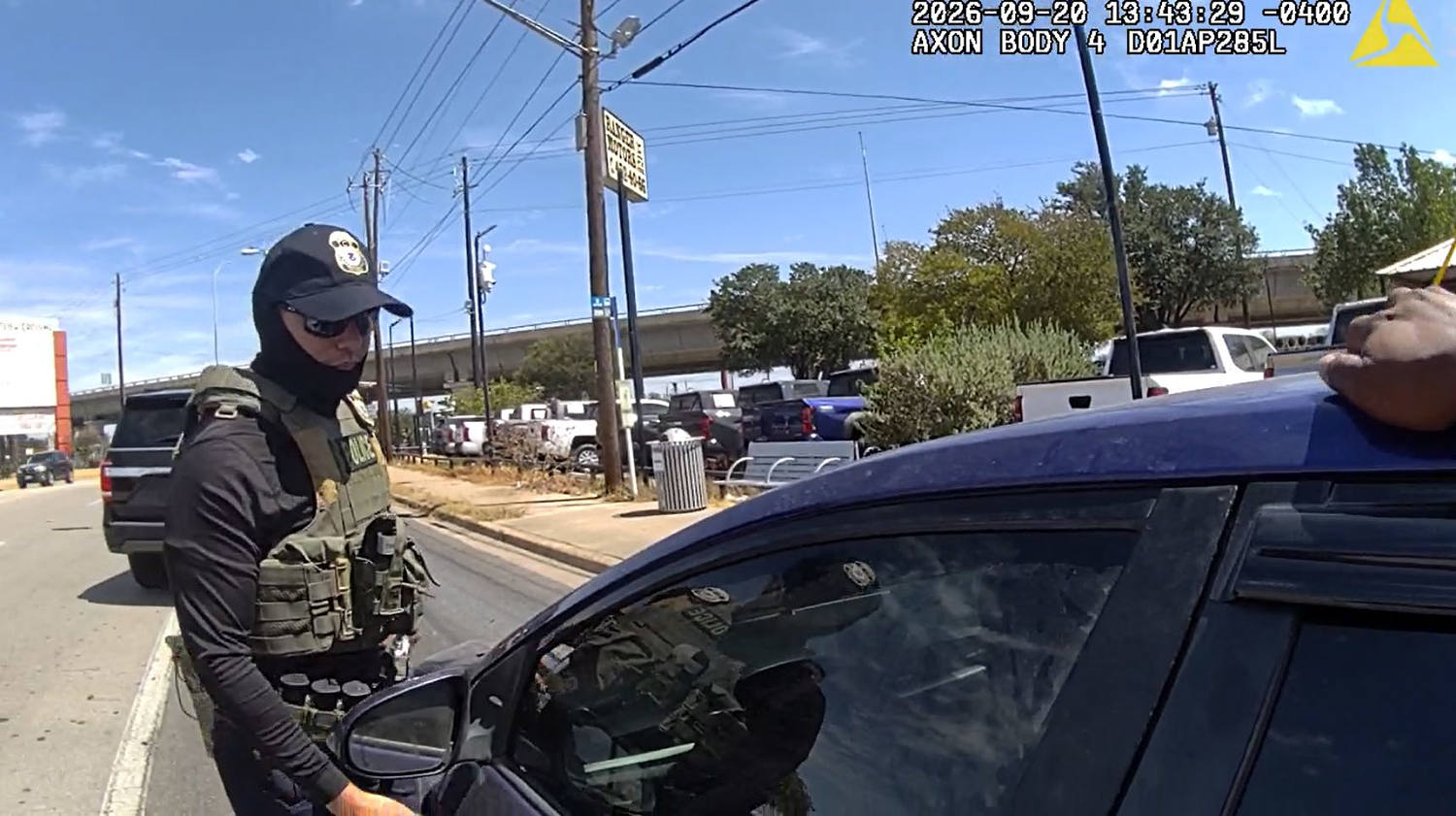
When a routine DoorDash delivery ends with federal agents firing live rounds into a moving vehicle, it stops being a local police blotter item and turns into a national flashpoint. That is exactly what happened in Austin, Texas, when Immigration and Customs Enforcement agents confronted Wilber Rafael Garces Perez, a 28-year-old Venezuelan asylum seeker.
Instead of treating the event as an isolated use-of-force incident, the legal fallout has revealed deep fractures in how federal enforcement powers collide with everyday civilian life. A federal judge recently ordered Garces Perez to remain behind bars, not just because of the dramatic circumstances of his arrest, but over allegations that he struck an officer with his driver's side mirror while trying to leave the scene.
Let's break down what actually happened, why the legal battle is intensifying, and what most mainstream reports miss about the reality of modern immigration enforcement on city streets.
The Intersection of Gig Work and Federal Enforcement
Gig economy workers are visible on every American street corner. They double park, check navigation screens, and pull into driveways at odd hours. For Garces Perez, working for DoorDash was a way to make ends meet while navigating the labyrinth of the U.S. immigration system.
According to his legal representation, Garces Perez entered the country as an asylum seeker and held a valid work permit. Yet, federal authorities point to a judicial deportation order issued after he missed a court hearing—a notice his lawyers claim he never received because it was mailed to an outdated address.
This administrative failure is a common trap in immigration proceedings. When paperwork goes astray, people who believe they are living and working legally suddenly find themselves flagged in federal databases.
The Anatomy of the Austin Confrontation
The confrontation escalated quickly on a Sunday afternoon in Austin. Federal agents moved in to execute an arrest related to the deportation order. According to prosecutors, the encounter turned violent when Garces Perez attempted to drive away, allegedly striking an enforcement officer with his vehicle's side mirror.
What followed was a high-stakes pursuit that ended with an agent discharging a firearm. Garces Perez sustained a gunshot wound to the back, with the bullet lodging dangerously close to his spine.
Local authorities initially transported him to a hospital, but the jurisdictional tug-of-war began almost immediately. He was discharged straight into federal custody, shuttled back and forth between medical facilities and detention centers while still recovering from trauma. When he appeared in federal court in a wheelchair, wearing an arm sling and requiring assistance just to use a headset for translation, the visual underscored the physical toll of the encounter.
Why the Federal Judge Denied Bond
During the bond hearing in Austin, U.S. Magistrate Judge Dustin Howell viewed body-worn camera footage presented by prosecutors. The video formed the core justification for keeping Garces Perez locked up.
Prosecutors charged him with one count of assaulting, resisting, and impeding a federal officer—a serious felony carrying a potential sentence of up to 20 years in federal prison.
Judge Howell faced a standard set of judicial considerations: danger to the community and risk of flight. The court concluded that Garces Perez posed a significant flight risk, largely due to his ties to Venezuela, where he has a family member. The underlying immigration warrant also weighed heavily against his release.
His defense team argued fiercely that he requires specialized medical care, pointing out that living with a bullet fragment near the spine inside an immigration detention facility presents severe health risks. Despite these pleas, the court ruled that the criminal charges must proceed through the federal docket before any immigration or bond relief can be reconsidered.
The Broader Political and Legal Backlash
The case has immediately drawn fire from civil rights advocates and Democratic lawmakers. Critics argue that using aggressive tactics—including ramming vehicles and discharging firearms during routine civil immigration operations—endangers bystanders and crosses ethical lines.
On the other side, law enforcement unions and federal defenders of the operation maintain that agents must protect themselves when subjects attempt to use vehicles as weapons to evade arrest.
This tension highlights a recurring policy debate: where does civil immigration enforcement cross the line into reckless endangerment? When federal agents operate in dense urban environments without coordinating closely with local police departments, the risk of catastrophic escalation multiplies.
What Happens Next in the Legal Process
Garces Perez's criminal defense attorneys have mounted a dual-track legal strategy. They are fighting the federal assault charges in court while simultaneously pursuing emergency legal avenues to prevent his immediate removal from the United States, arguing that his due process rights were violated and that his medical condition makes him unfit for immediate deportation.
If you are following this case or similar immigration enforcement disputes, keep a close eye on three critical milestones:
- The Medical Status Updates: Monitor whether federal authorities permit independent medical evaluations or necessary surgical procedures to remove the bullet fragment.
- The Evidentiary Motions: Watch for defense challenges regarding the body-worn camera footage and whether the initial stop legally justified the use of deadly force.
- The Jurisdiction Battle: See how the federal assault prosecution intersects with his pending immigration status and existing removal orders.
The outcome in Austin will set a powerful precedent for how courts handle physical resistance charges brought against non-citizens during high-pressure immigration arrests.