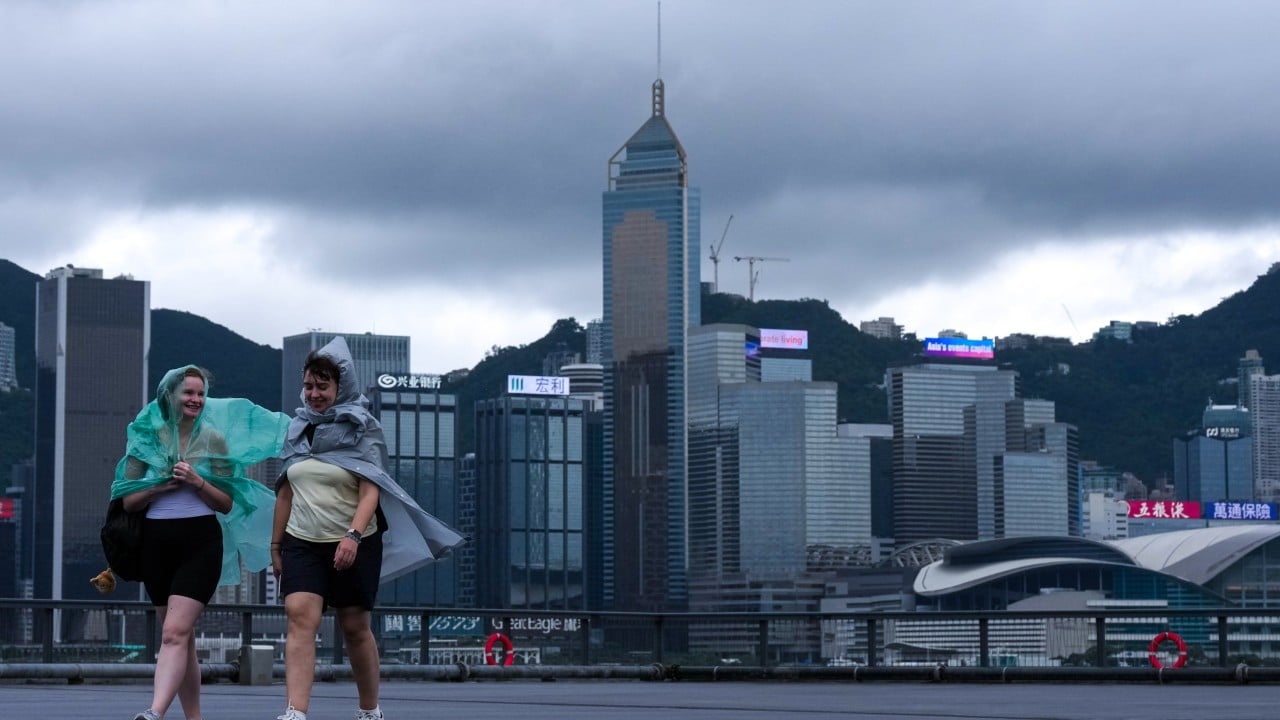
Dark clouds roll over Victoria Harbour. Suddenly, sheets of water turn urban streets into rushing streams. If you live in the city, you know that unmistakable chime or push notification from the Hong Kong Observatory. An amber rainstorm warning is up.
Most visitors and newcomers dismiss amber alerts as mere background noise. That is a massive mistake. When the Observatory triggers an amber rainstorm warning, it means heavy rain has exceeded 30 millimetres in an hour, and more is on the way. Water accumulates fast in a dense concrete jungle like Hong Kong. Street drains get overwhelmed within minutes, and low-lying neighborhoods face sudden inundation.
Decoding the Three-Tier System
Hong Kong uses a color-coded warning structure: Amber, Red, and Black. Understanding the triggers keeps you safe without paralyzing your daily routine.
Amber is the baseline alert. It signals heavy downpours exceeding 30mm per hour across the territory. Schools generally remain open. Public transport keeps running. Commuters trudge through puddles, holding umbrellas inside out against sudden gusts.
Escalate to Red or Black, and the city enters lockdown mode. Red means precipitation exceeds 50mm, while Black crosses the 70mm threshold per hour, bringing severe disruptions, suspended classes, and paralyzed transport networks. Amber warns you that conditions are volatile. It is the yellow light before things potentially turn severe.
Where the Real Danger Lies
You won't drown walking down Des Voeux Road Central during an amber alert, but you might experience severe localized flooding in specific districts. Areas like Yuen Long, Sai Kung, and isolated pockets of Lantau Island take the brunt of these intense thundery downpours.
Poorly drained streets turn into ankle-deep hazards almost instantly. If you are hiking, an amber warning spells immediate trouble. Mountain streams swell within minutes, turning quiet trails into raging torrents. Flash floods in country parks catch unprepared hikers off guard every single year.
Urban flash points matter too. Construction sites, basement parking lots, and low-lying village houses in the New Territories require constant vigilance. Drainage Services Department crews monitor these hotspots around the clock, but water moves faster than machinery.
Practical Steps When the Alert Drops
Don't wait for water to pool at your doorstep. Take action immediately when the Observatory broadcasts an amber warning.
First, check your route if you are commuting. Low-lying roads prone to ponding will slow down buses and minibuses. Second, stay away from watercourses and natural streams if you are anywhere near country parks or village outskirts. Third, keep emergency numbers handy, including the Drainage Services Department hotline at 2300-1110 to report blocked drains or street flooding before it swamps local shops.
Weather patterns in the region are shifting, bringing shorter, sharper bursts of extreme precipitation. An amber rainstorm warning is your prompt to stay alert, protect your property, and respect the raw power of seasonal downpours.