When Donald Trump stepped in front of reporters in late September 2026 to boast about the arrest of five men near RAF Fairford, he painted a picture of masterclass international espionage. According to the US president, American intelligence had the suspects under surveillance for a long time, working hand-in-hand with British authorities to neutralize a major threat to a crucial military installation.
There is just one problem with that narrative. It doesn't match reality.
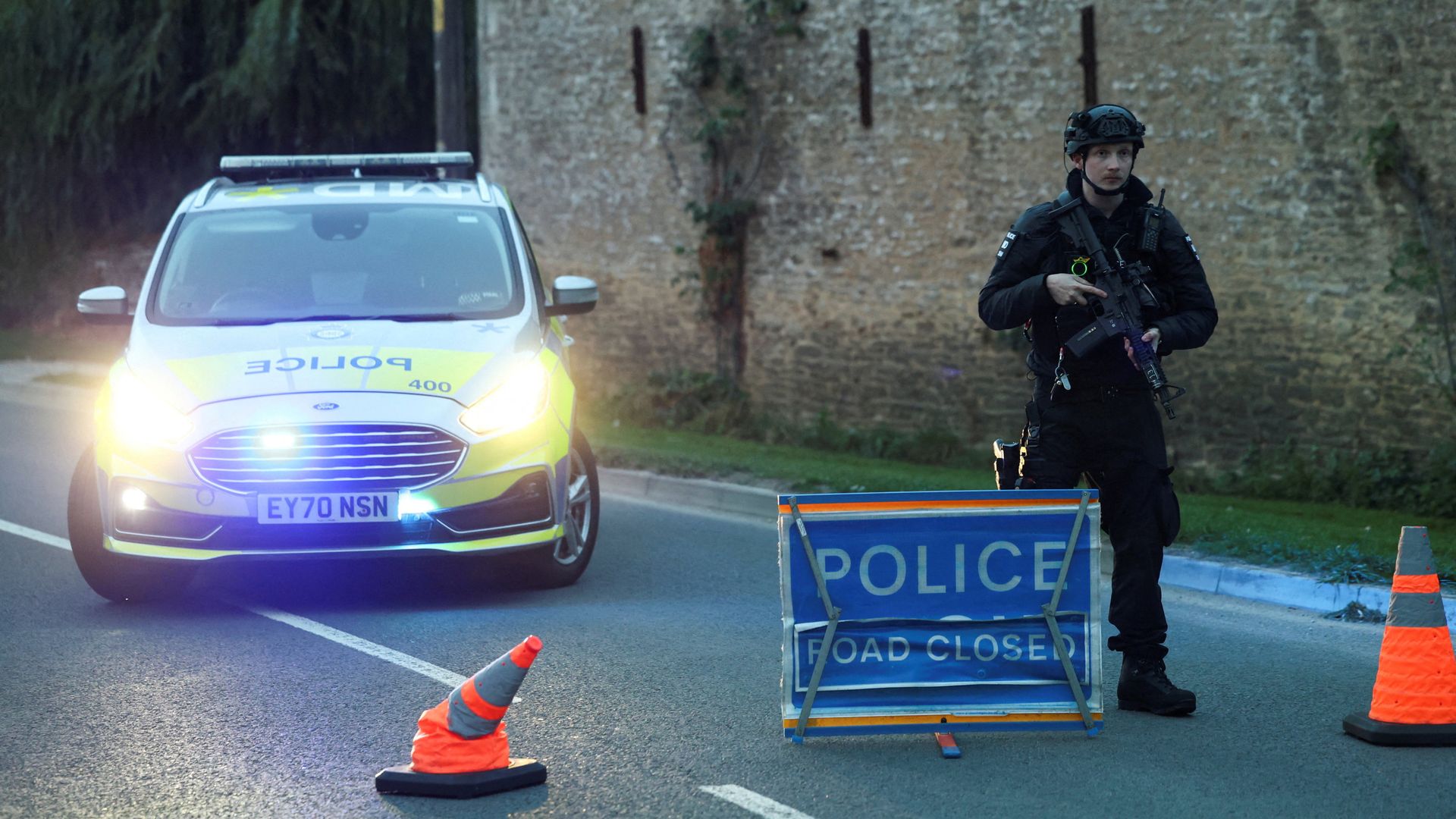
The dramatic capture of five British men near the Gloucestershire air base—frequently utilized by the US Air Force—wasn't the grand finale of a coordinated cross-border intelligence operation. Instead, it was triggered by an ordinary local farmer driving home late at night who spotted three suspicious white vans blocking a country lane and dialed 999.
So, did the White House accidentally blow the cover off a secret US-UK security initiative, or was it simply classic political posturing? Let's look at what actually happened behind the scenes.
The Myth of the Pre-Planned Joint Operation
When a high-profile security breach happens near a sensitive military site, leaders love to look competent. Trump's comments suggested a long-term counter-terrorism watch. He told reporters that the suspects were "looking to do big damage to our fort" and claimed authorities had them "under view for a long time."
British security sources quickly poured cold water on that claim. Whitehall insiders confirmed that the arrests were entirely opportunistic rather than intelligence-led. Gloucestershire Police didn't rush to Whelford because CIA or MI5 analysts flagged a high-priority threat on their monitors. They showed up fifteen minutes after a local resident noticed masked men, fake company lettering on a van ("FUEL 2YOU" with a bogus phone number), and large black barrels scattered around.
If American or British intelligence agencies had these suspects under active, long-term surveillance, a plucky local driver wouldn't have stumbled across a botched staging area at one in the morning.
Why RAF Fairford Is a Prime Target
To understand why the incident caused such panic, you have to look at what Fairford actually does. It's not just a quiet airfield in the Cotswolds. It's a key forward operating base for US heavy bombers in Europe.
Tensions around the base have spiked significantly. British defense officials and local representatives have noted mounting threats, particularly linked to proxy networks acting on behalf of Iran. In previous months, Iranian rhetoric explicitly warned London against allowing US bombers to fly missions from British soil to target missile sites in the Middle East. Security cases involving hostile states have climbed sharply, pushing counter-terrorism units onto a heightened state of alert.
Because of this tense geopolitical backdrop, any unusual activity near the fence line automatically triggers maximum paranoia. When police robots moved in to inspect the suspicious vans, the threat level was as real as it gets—even if the interdiction itself came down to sheer luck.
The Information Vacuum and Viral Misinformation
Because official channels moved slowly, the internet did what the internet does best: it panicked and fabricated details.
Within hours of the arrests, AI-enhanced images of the suspects began circulating across social media platforms. Bad actors used generation tools to artificially sharpen low-resolution photos, manufacturing distinct facial features to push narrative-driven claims about the backgrounds and beliefs of the men in custody. Independent analysts later confirmed using digital forensics that these viral close-ups were synthetic distortions rather than actual police photographs.
Counter-terrorism policing units eventually clarified that the five individuals arrested were British nationals in their twenties. They were initially held under explosives legislation before being questioned under terrorism laws, and subsequently released on bail while investigations continue.
Reading Between the Lines
Politicians claiming credit for accidental police work is as old as politics itself. When Donald Trump claimed the US "got them" through joint surveillance, he was feeding an appetite for strength and proactive defense.
The reality on the ground offers a stark reminder about modern security. Despite billions spent on sophisticated signals intelligence, satellite tracking, and global cyber surveillance, critical infrastructure is still occasionally protected by ordinary citizens paying attention in the dark.
Keep your eyes open, because the official story is rarely the whole story.