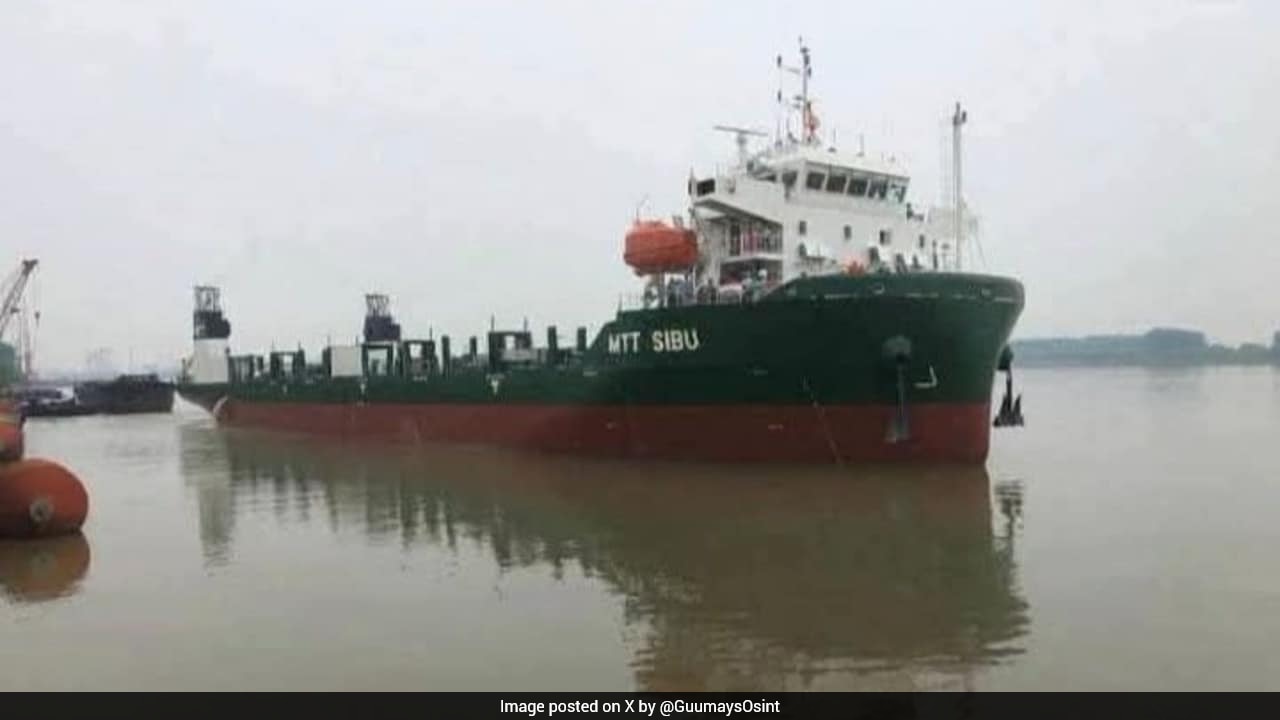
Pirates picked the wrong ship. When six armed men boarded the Eritrea-flagged tanker Sibu 1 on August 20, they probably thought they had secured a standard payday. Instead, they walked into a geopolitical minefield.
Local security forces in Somalia's semi-autonomous Puntland region didn't wait around for international armadas to respond. They launched a targeted counter-piracy operation, liberated the vessel, and rounded up the attackers. The Sibu 1 is now free. The pirates are locked away.
The Anatomy of the Sibu 1 Hijacking
Let us look at what actually happened off the coast of East Africa. The United Kingdom Maritime Trade Operations flagged the initial attack after six armed individuals boarded the oil tanker. But this was no ordinary commercial vessel minding its own business.
The Sibu 1 occupies a very specific corner of international shipping. The United States Treasury slapped sanctions on the tanker in December. Washington views it as part of an illicit shadow fleet moving Iranian petroleum products to bypass economic restrictions.
You might wonder why modern pirates would target a sanctioned ship. Honestly, criminal syndicates don't care about Washington's sanctions lists. They see a heavy hunk of metal filled with valuable fuel sitting in international shipping lanes. They see ransom potential. They miscalculated badly.
Why Somali Piracy Is Creeping Back
We are seeing a worrying trend in the western Indian Ocean. This is not an isolated incident. The Sibu 1 marks at least the 13th ship attacked this year off the coast of Somalia or inside the Gulf of Aden.
Remember the crisis years between 2008 and 2014? Somali piracy completely overwhelmed global shipping back then. It cost the world economy billions of dollars in ransoms, diverted trade routes, and forced naval patrols from dozens of nations to station warships permanently in the region.
Things quieted down for a long time. Now, the maritime underworld is waking up again. Local authorities and international observers point to several overlapping pressures:
- Security vacuums left by shifting naval assets in the Red Sea and Gulf of Aden.
- Economic desperation onshore in coastal communities.
- The proliferation of illegal shadow fleets that move quietly without robust tracking or standard corporate protections.
When you mix unprotected or illicit vessels with desperate local armed groups, hijackings happen.
The Puntland Response
International naval forces from India, the US, and European coalitions frequently make headlines for intercepting pirate skiffs. Yet, local operations matter just as much.
Mohamed Jama, a commander in the Puntland Maritime Police Force, confirmed that the rescue operation took days of intense tactical maneuvering. His forces moved in, secured the ship, and apprehended every single pirate involved.
This local ownership is crucial. Relying entirely on foreign warships to patrol thousands of miles of coastline is impossible. Regional forces know the geography, understand the clan dynamics, and possess the local intelligence needed to track down stolen ships before they vanish into remote anchorages.
What Happens Next for the Sibu 1
Getting the ship back is only half the battle. The Sibu 1 now sits at the center of multiple legal and political tangles.
First, the vessel itself remains under heavy US sanctions. Its operators cannot simply sail back into normal commercial trade without facing immediate financial penalties or asset seizures from Western authorities.
Second, the captured pirates face prosecution under local Puntland maritime laws. Past practice shows that regional courts can hand down stiff prison sentences, though prison infrastructure and legal resources remain stretched thin.
If you track maritime trade routes, keep a close eye on the Horn of Africa. The resurgence of piracy is real, and the rules of engagement are shifting rapidly on the high seas.