The race for the White House in 2028 has already started, and JD Vance is making his moves early. The vice president is cozying up to the Make America Healthy Again movement, trying to cement his status as the undisputed political heir to Donald Trump. But attaching yourself to a massive political coalition while it undergoes a civil war is a risky bet.
If you look past the headlines about political positioning, a much bigger story emerges. The Maha movement is shedding its original grassroots supporters and swapping them out for corporate heavyweights. For Vance, aligning with this network is a calculated gamble to lock down a loyal base before anyone else can claim it.
The Corporate Takeover of a Grassroots Movement
When Robert F. Kennedy Jr. and his allies first built the Maha coalition, it drew energy from wellness advocates, anti-vaccine activists, and rural voters frustrated with conventional health institutions. Fast forward to the recent Maha summit in Washington DC, and the vibe has completely changed.
Major corporations like Walmart, UnitedHealth, and Anthropic dominated the event. Experimental cancer-treatment company Grail even secured top sponsorship status while regulatory approvals hung in the balance. Reports surfaced that companies dropped hefty sums—around $300,000—just to secure speaker slots and private dinners with high-ranking administration officials like Mehmet Oz.
Grassroots activists weren't shy about calling out the shift. Critics took to social media to ask why the voices that built the coalition were suddenly locked outside. When elite corporate access replaces everyday health advocates, the movement risks alienating the very people who carried it to the polls.
Vance and the 2028 Frontrunner Strategy
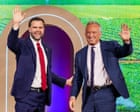
Despite the internal fractures, Vance sees immense value in keeping the Maha network close. He wants to lock down those voters before rivals like Marco Rubio can make a play for them. During the summit, Vance traded jokes with Kennedy, swapped memes over private text chains, and leaned into anti-establishment rhetoric.
At the same time, Vance played up his administrative accomplishments, pointing to an anti-fraud task force that he claims has uncovered billions in public healthcare program waste. He didn't hesitate to target undocumented immigrants in his speech, framing the issue around stricter enforcement of Medicaid and Medicare benefits.
Critics call it political opportunism. Experts point out that even if the coalition splits down the middle, securing even a fraction of Trump's previous base gives Vance a massive head start for the 2028 primary season.
The AI and Tech Pivot
Kennedy used the event to push an unconventional agenda, leaning heavily on artificial intelligence as a counterweight to traditional medical authority. Quoting tech figures like Sam Altman, Kennedy argued that large language models offer a way out of medical conformity and top-down institutional mandates.
While millions of Americans already turn to AI for health guidance, health specialists warn about accuracy rates and the danger of bypassing actual doctors. Yet, aligning modern tech tools with anti-establishment health philosophies plays right into the current populist playbook.
What This Means Moving Forward
Political coalitions rarely stay pure once power enters the equation. The tension between corporate cash and grassroots ideals will define how much influence Maha actually yields in the coming years.
Vance is betting that the brand power of the movement matters more than its internal drama. Whether corporate sponsorship alienates rural voters or the alliance holds together for the next presidential cycle remains to be seen. Either way, the 2028 Republican primary blueprint is being written right now.